Stepping into the footsteps of winemaking at Black Hills Estate Winery isn’t without serious pressure. Since its founding 30 years ago, the multi-award-winning winery in the Okanagan Valley has had only a handful of winemakers.
Ryan McKibbon – the fourth – has been rising to the challenge, one vintage at a time. “There is a bit of weight on your shoulders, stepping into this role,” he said. “Not only are the wines legendary, but so are the vineyards. This is such a special pocket of land. It has so much to share and so much to give.”
The history
In 1996, Senka and Bob Tennant, along with Peter and Susan McCarrell, bought land on the Okanagan Valley’s Black Sage Bench near Oliver, B.C. Back then, Black Sage wasn’t particularly well known, but that was about to change.
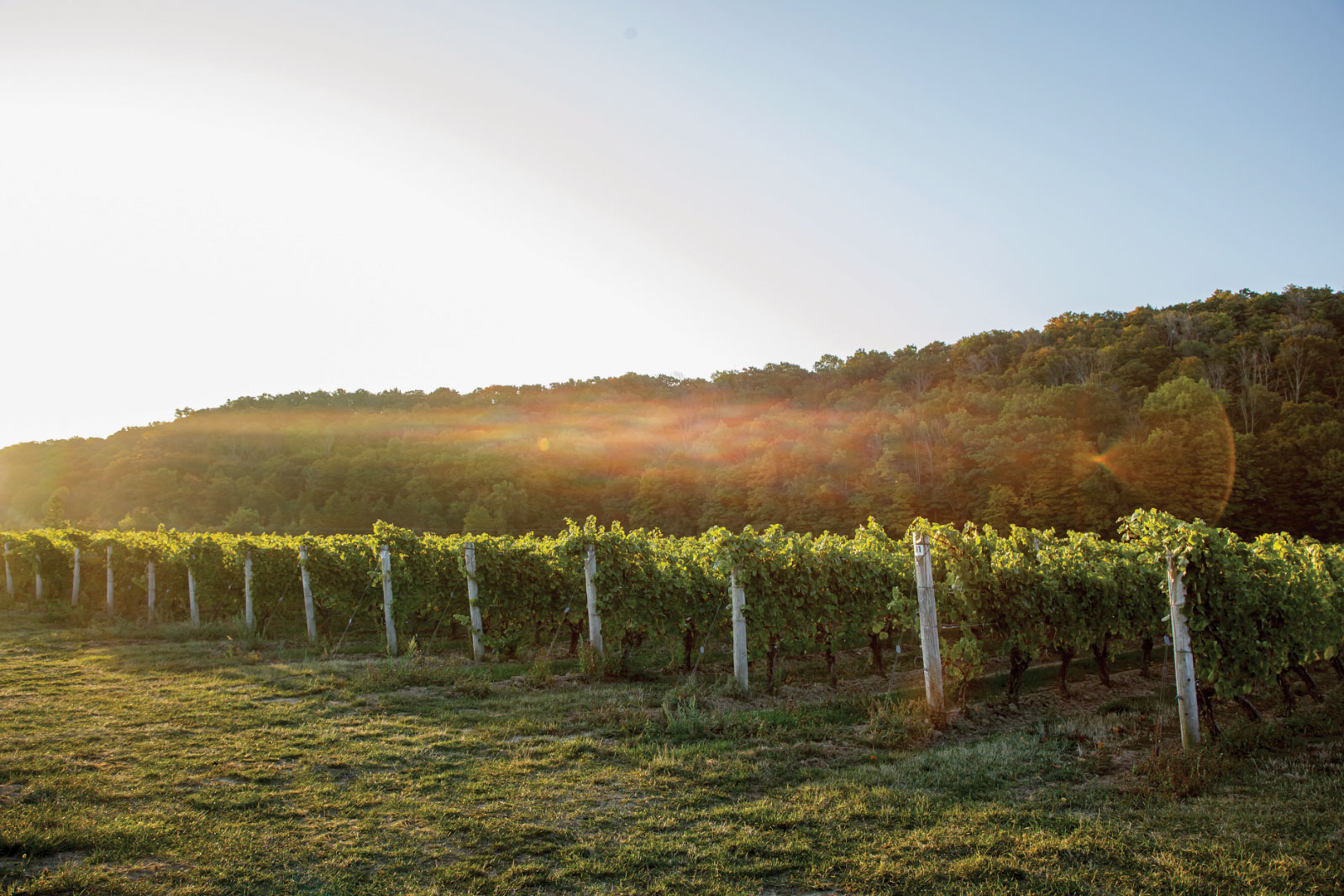
The Tennants established the Sharp Rock and Double Black vineyards along the bench, planting them with Bordeaux varieties: Cabernet Sauvignon, Cabernet Franc and Merlot. Their original intention was simply to sell the fruit to wineries in the region, but when they realized how good the fruit was, they decided to start their own winery, with Senka serving as winemaker.
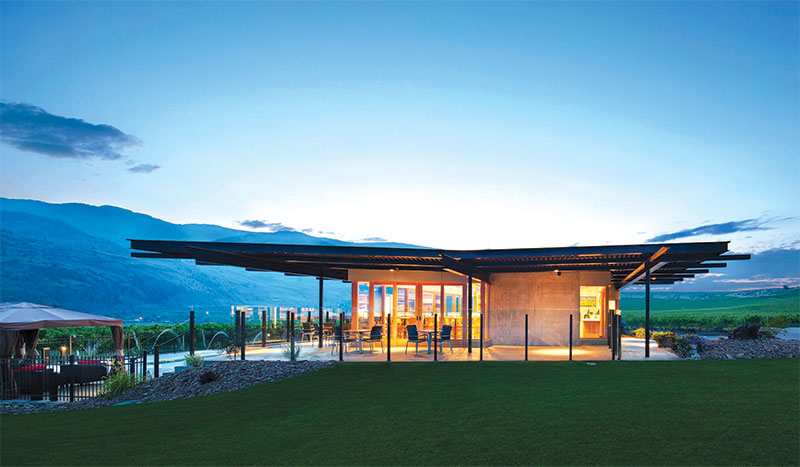
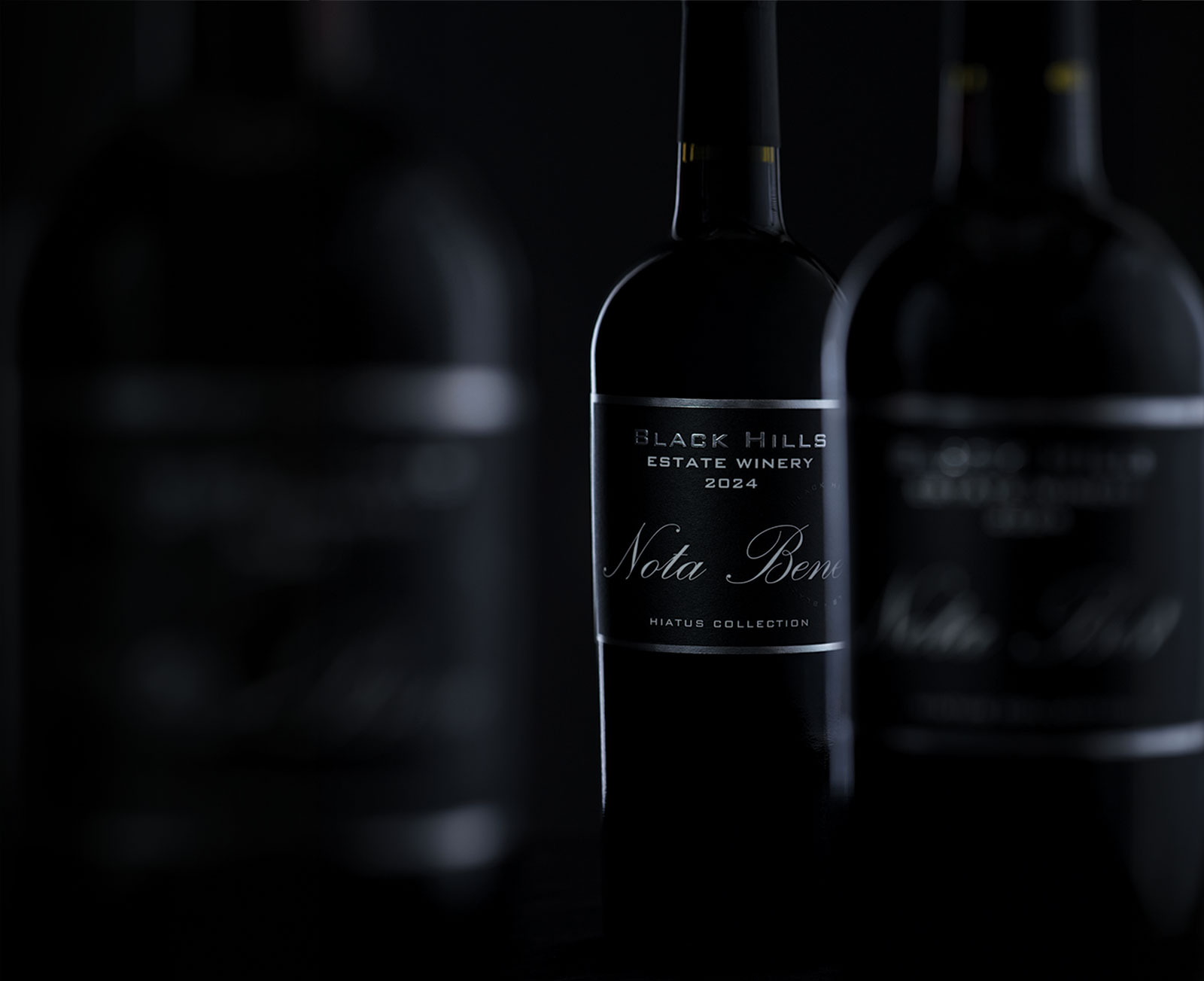
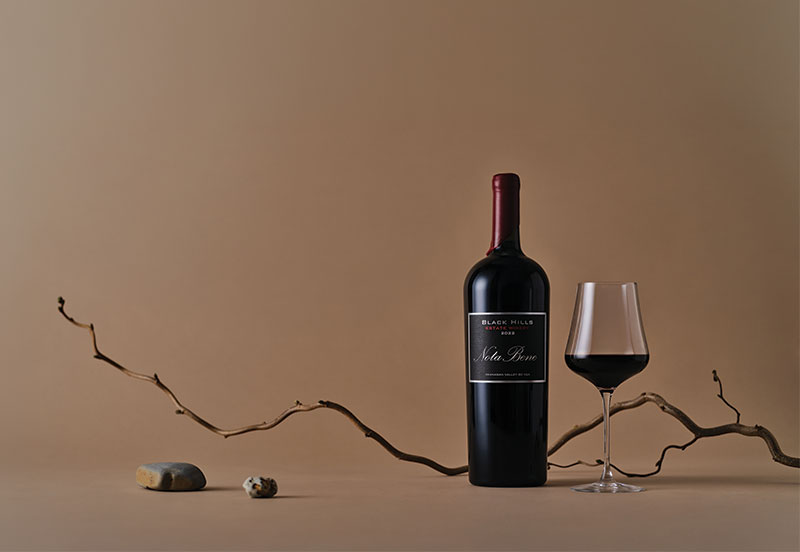
In 1999, they released the first vintage of Nota Bene, their flagship Bordeaux-style red blend. It didn’t take long for Nota Bene to develop a cult following, and following vintages sold out quickly. When the 2006 vintage was released, it sold out in just 47 minutes. “It isn’t just some little barrel selection,” McKibbon said. “It is a showcase of a given year and a given vintage.”
Black Hills Estate Winery – and the Black Sage Bench – were firmly established on the Okanagan wine map. Black Hills was sold in 2007 to Vinequest Wine Partners, an Alberta-based group. In 2017, it was acquired by Andrew Peller Ltd. and became part of its portfolio of wineries across B.C. and Ontario. It’s a big umbrella, but individual properties operate more or less independently.
“We are very lucky that in terms of structure, we get left alone to make the wines we want to make,” McKibbon said.
The team
McKibbon joined the Black Hills team in August 2022, working with winemaker Ross Wise, who joined the winery in 2018. When Wise’s role expanded to become director of winemaking for Andrew Peller Ltd., McKibbon took over as head winemaker (the pair had previously worked together at Phantom Creek Estate Winery).
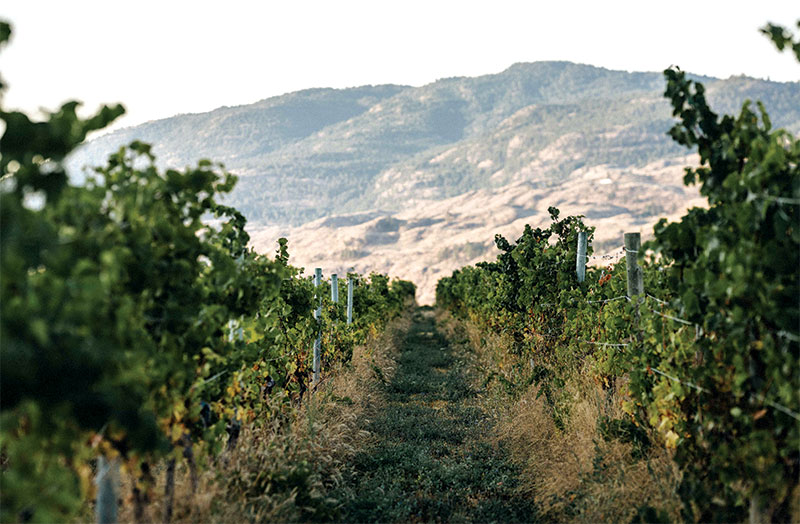
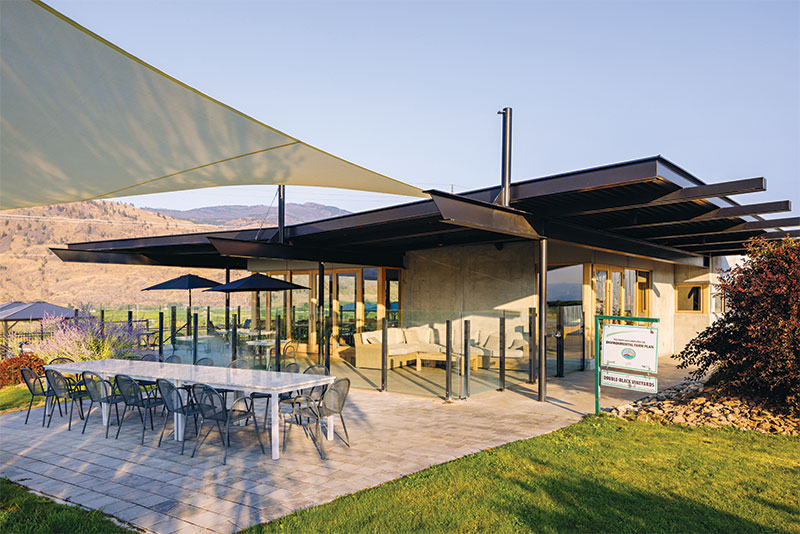
While Andrew Peller Ltd. is international in scope, the Black Hills team is considerably smaller. There are roughly six full-time people on the winemaking team, while the tasting room and vineyard teams expand considerably during the hectic summer months.
Melanie Rusch is the Black Hills assistant winemaker, and Lissette Alvarez is the cellar master. Sam Strachan is the estate manager, overseeing hospitality, events and the annual Nota Bene release. Susan Watkins is the winery’s brand manager, handling marketing and trade. Finally, Shane Alaric, Kayla Halldorsen and Jordan Powell are also part of the team.
The wines
Nota Bene may dominate many of the Black Hills headlines, but the team also produces a wide array of other wines, including a Chardonnay, the Per Se Cabernet Franc, Syrah and a single-variety Carmenere. The Carmenere grape was originally planted for the Nota Bene blend but proved to be intensely aromatic and very popular on its own. Addendum is their Merlot-Cabernet Franc blend. They also produce an award-winning sparkling brut made from Chardonnay and Pinot Noir. It undergoes traditional-method fermentation and rests on its yeast for 40 months before disgorging.
“Not a lot of people know about it, but we put a lot of time and effort into our sparkling wine program. It’s a passion project, and it’s really inspiring,” McKibbon said, adding that visitors to the tasting room are often offered a glass of bubbles when they arrive.
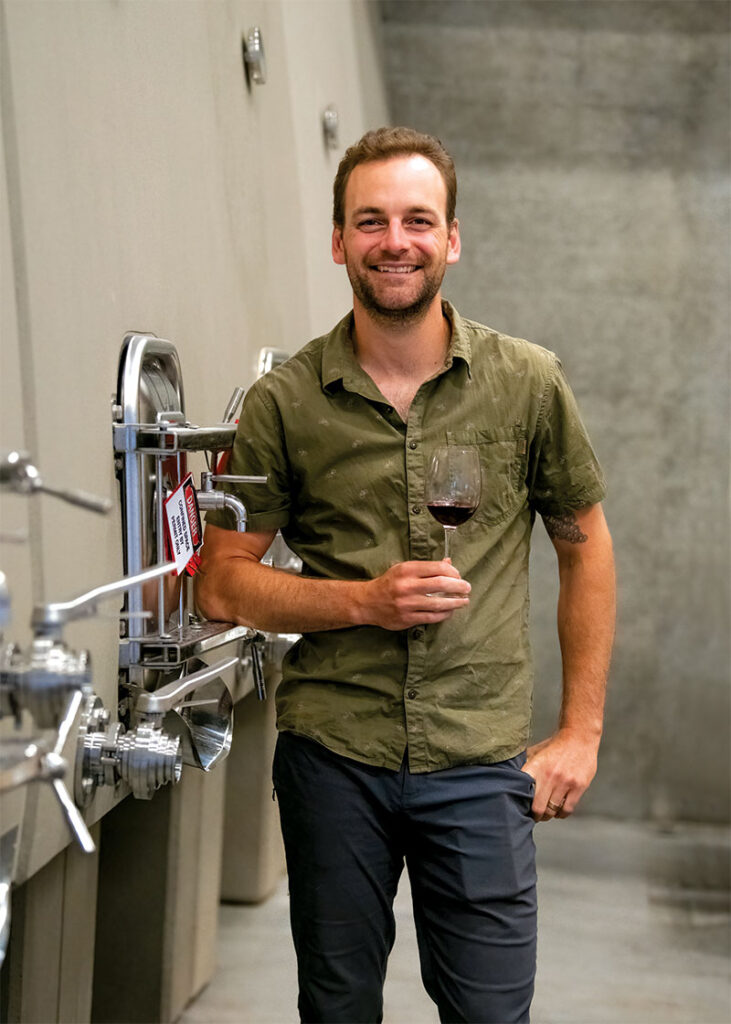
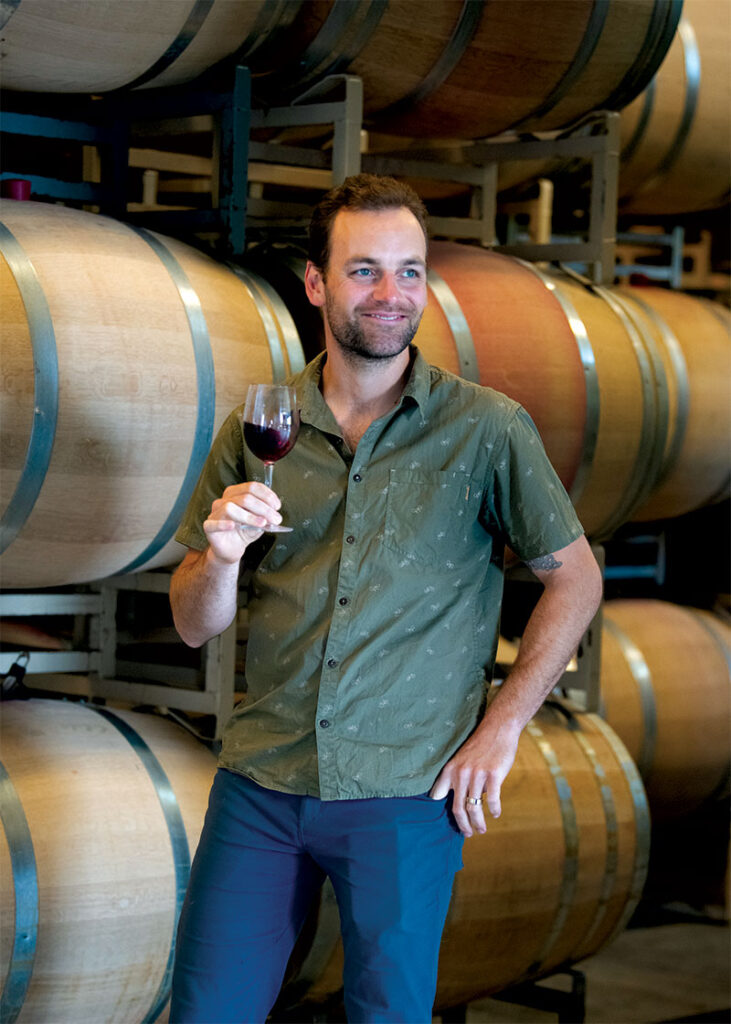
McKibbon is also excited about the wines they’re producing from Rhône varieties. Bona Fide is their Syrah-dominant red blend, and they also offer a single-variety Syrah bottling. “The Syrah is very expressive of the Black Sage Bench terroir,” he said, adding that Roussanne and Marsanne, two white French grapes, do especially well in the area. “And they’re a lot of fun to make,” he said.
The wines are primarily sold in B.C., and most are purchased by collectors who buy directly from the winery, either through the winery website or the wine club. Select releases are also available in Alberta.
The vineyards
Like so many Okanagan wineries, Black Hills was deeply affected by the 2024 deep freeze, which killed many of the region’s vines and, in some cases, wiped out entire varieties. The 2024 Nota Bene, part of the winery’s new Hiatus Collection, had to be made from fruit grown in Oregon. But the Black Hills team was lucky enough to replant.
“It’s like starting from scratch. We essentially remapped and reworked everything,” McKibbon said. “We planted a bit of Carmenere in the same spots, but a lot of other things have been moved around. As vintages got warmer, certain varieties weren’t in the best spots for what they needed – our Merlot, for instance. Now they are, we hope.”
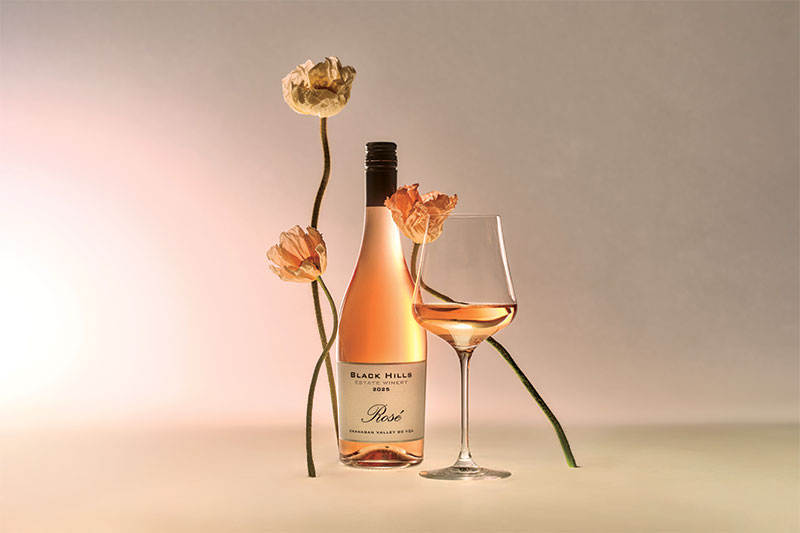
While they had used the red-grape variety Tempranillo before, they had bought it from a nearby grower. Now, they have planted their own bush-trained (gobelet) Tempranillo using an ancient vineyard management style that allows vines to grow free-standing. “The bush-trained vineyards are adapting to climate change much more easily than trellis-trained vineyards,” said McKibbon.
Black Hills also recently introduced a Roussanne-based Rhône-style white blend, and they’ve planted some of their own estate Viognier for the first time.
The process
Climate change has meant that harvest is starting much earlier than it did in the winery’s first few years. “We just work with whatever the season gives us,” McKibbon said. Last year, they began picking in August, but the final grapes didn’t arrive until the first few weeks of November. McKibbon expects the 2026 harvest to be similar. “We’re all wrapped up by the start of December,” he said. “Everything’s just chilling out and entering its maturation phase.”
All the grapes are hand-harvested and hand-sorted once they arrive at the winemaking facility. While McKibbon has used optical grape-sorter machines in the past, he prefers to have real people make the decisions about which grapes go through. “I think [the optical sorters] are very good, but they remove a little of the variation and complexity,” he said. “I don’t mind the odd underripe berry getting through. It adds to the wine’s character.”
Equipment includes an Armbruster Rotovib Destemmer, a small Bucher JLB 12 Basket Press, and a Willmes Merlin wine press from Germany for their white wine grapes. “All the white grapes are whole-bunch pressed, very long and slow,” he said. “The quality is much better that way.”
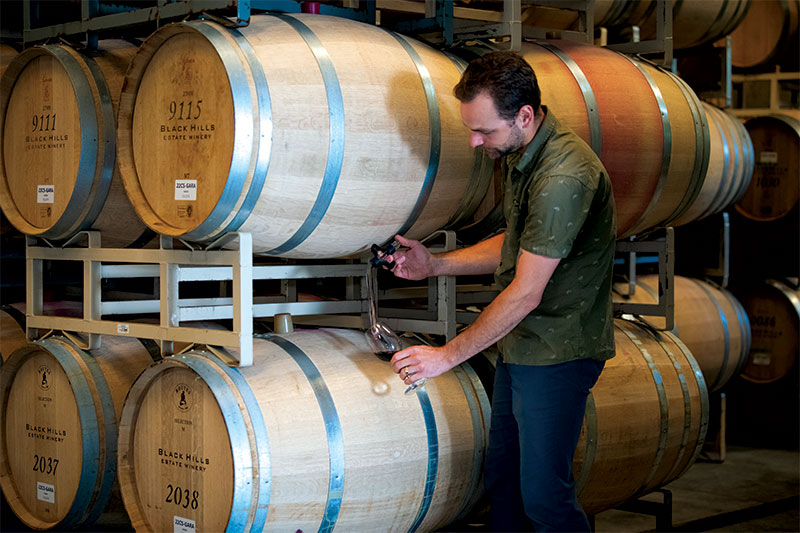
Red ferments are primarily in stainless steel, while concrete vessels are mostly used for whites to add depth, he said. The oak program includes foudre, puncheon and barrique, and almost all barrels are French oak, with a few from Austria. From McKibbon’s perspective, less is always more. “We want the wines to speak for themselves,” he said.
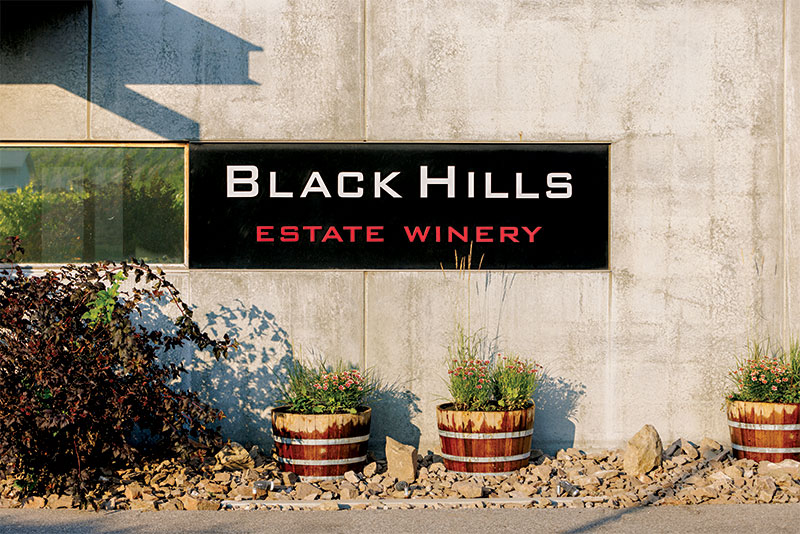
While the winery does not follow organic or biodynamic winemaking practices, it works toward sustainability across every facet of the business. The tasting room kitchen, for instance, focuses on local and regional ingredients, and down the road, there are plans to add solar panels to help power the facility. The winery is also a proud member of Wine Growers Canada.
“We’re one of the largest vineyard holders in B.C. We want to be sure we are a good steward of our industry and that we are helping wherever we can,” said McKibbon.
The next chapter
Wildfire smoke has certainly been a challenge in recent years, as has leaf roll virus, which affects fruit clusters. There is no cure yet.
“Leaf roll virus was always something to navigate during harvest, as you get varying levels of ripeness throughout the block,” McKibbon said, adding that he is hopeful that replanting the vineyards will eliminate the virus and that it will be a smoke-free summer. “We should have a small crop from our estate vineyards this summer, which is exciting to see. And in two to three years, we’ll be back up to full production.”