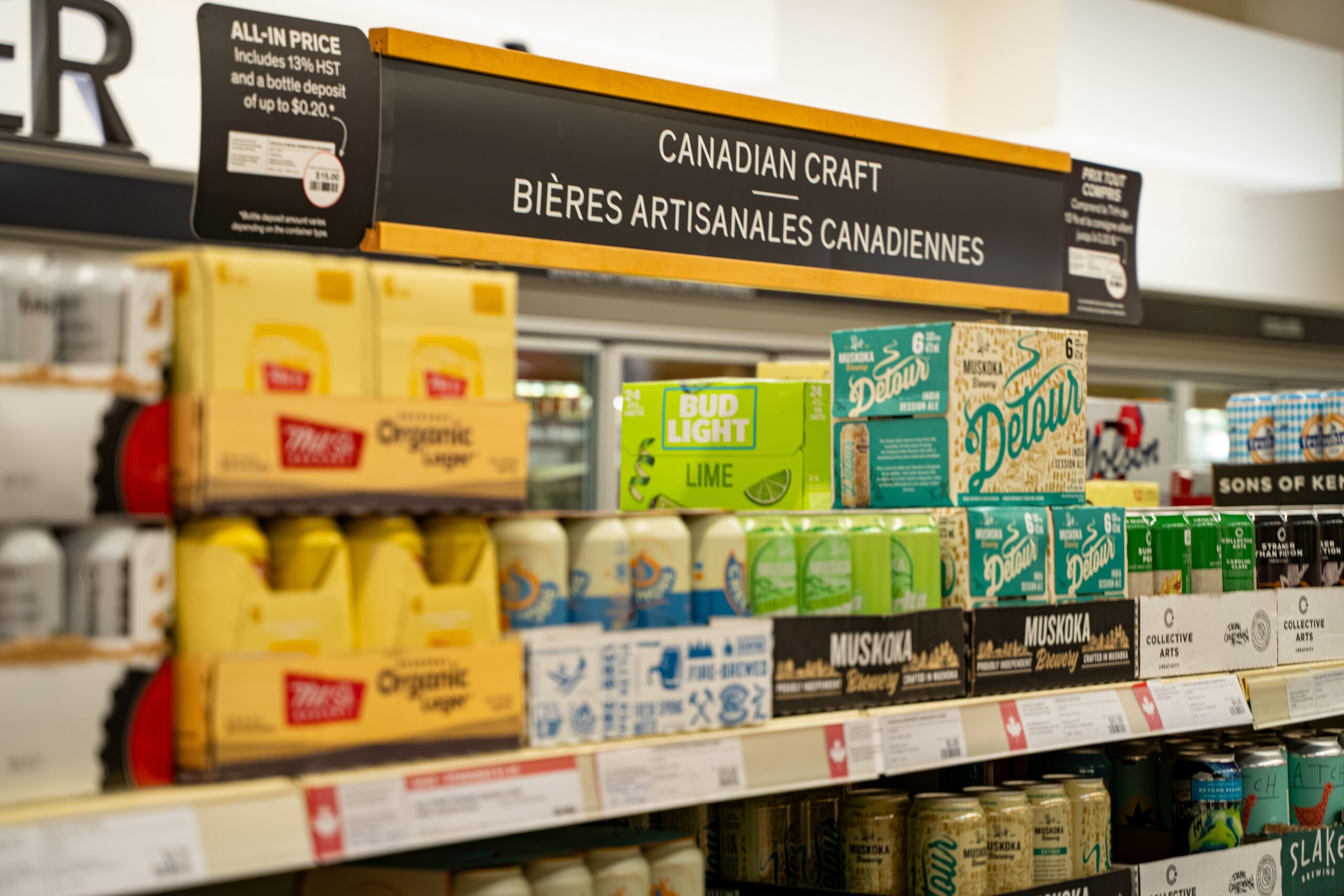
Canada’s small and craft alcohol producers still face major roadblocks when trying to sell alcohol across provincial borders despite recent agreements meant to ease trade restrictions, finds a new report from the Canadian Federation of Independent Business (CFIB).
The report, Bottled Up: Small Business Barriers to Interprovincial Trade, reveals that outdated rules and complicated processes continue to block Canadian producers from reaching new markets, even if that market is their neighbouring province. Despite public support for reform and recent internal trade commitments, a lack of energy for change has resulted in a fragmented system that drives up costs, limits consumer choice and stifles the growth of small producers.
“When American liquor products were pulled from store shelves across Canada in response to U.S. tariffs, it opened space that could and should have been filled by Canadian producers,” said Keyli Loeppky, CFIB’s director of interprovincial affairs. “Instead, rigid interprovincial rules and excessive red tape continue to hinder small alcohol producers from expanding beyond their home provinces, leaving significant growth potential untapped.”
Canada’s alcohol industry is built on small businesses, with over 1,500 breweries, wineries and distilleries nationwide. Yet, entrepreneurs face a confusing patchwork of regulatory, logistical and pricing barriers when selling outside their home province, including:
- Excessive red tape and complex regulations
- Poor transparency and communication from regulators
- Wide variability in markup rates
- High shipping costs
“Duplicative lab testing requirements, inconsistent mark-up rates and confusing rules all add to higher costs and fewer opportunities for Canadian entrepreneurs,” said SeoRhin Yoo, CFIB senior policy analyst for interprovincial affairs. “Allowing direct-to-consumer shipment of alcohol would be a significant step forward, but it’s only one part of the solution small brewers, distillers and vintners want to see. Businesses that want to move pallets of their products, not just bottles, still face myriad barriers that make it not worth the hassle.”
CFIB is urging provinces to work together to fully implement the alcohol-related commitments already made under the Canadian Free Trade Agreement and the agreement on direct-to-consumer alcohol sales, including a strategic rollout plan for May 2026.
To create a fairer and more competitive marketplace, CFIB is calling on governments to:
- Expand government commitments on mutual recognition agreements to include provincial rules, regulations and requirements on alcohol
- Increase transparency on listing processes and mark-up structures
- Establish a cross-provincial working group dedicated to alcohol trade reform
- Provide clear, accessible guidance to small businesses on interprovincial requirements
“It’s absurd that Canadians can’t easily purchase alcohol products made in their own country,” said Loeppky. “If we can’t fix barriers at home, how can we expect our businesses to meet goals to expand international trade? Provincial politicians need to put protectionism aside and work towards true free internal trade in Canada.”