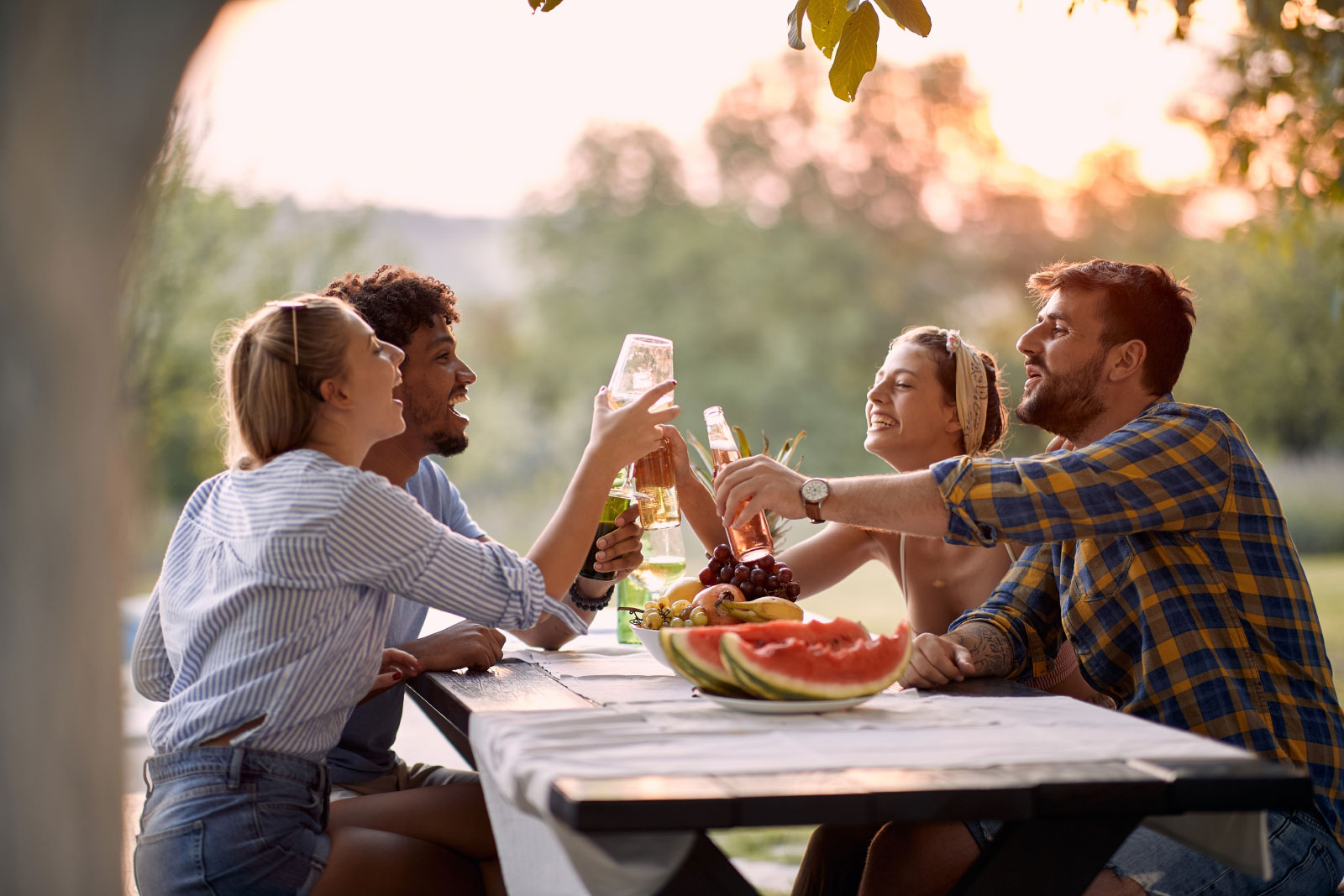
Drinking culture is evolving in Canada as Canadians become more health-conscious and younger generations choose to drink less. Signs of these changes in consumer preferences can be seen in restaurant drink menus, which have expanded to include more sophisticated offerings such as mocktails and non-alcoholic (NA) wines and beers. Many grocery aisles now have dedicated sections for these types of NA products as well.
There are a host of factors pushing Canadians to drink less alcohol. Inflation and rising grocery prices have forced many to cut back on luxuries, such as alcohol, to save money. Many Canadians are also prioritizing their mental and physical health, which has led to a rise in moderation mindsets such as the sober curious movement. Consumers’ focus on health and wellness has also contributed to the rise of functional beverages, drinks with ingredients that offer added health benefits.
An Ansira report, 2026 Alcohol Trends, found that alcohol consumption fell from 67 per cent in 2022 to 54 per cent in 2025 in the United States. In 2026, alcohol consumption is expected to continue its downward trend, as low- and no-alcohol beverages continue to gain a greater share of the market.
How moderation mindsets are reshaping drinking culture
Sober curiosity is when a person tries to be more mindful of their alcohol consumption and tries to reduce or stop drinking alcohol. This lifestyle change is rooted in re-evaluating society’s drinking norms, living a healthier lifestyle and embracing NA options. Younger generations, especially Gen Z, are leading this movement, as they are choosing to simply not drink alcohol.
A 2025 report on the Sober Curious Movement by Circana stated that “65 per cent of American Gen Zers planned to drink less in 2025, and 39 per cent planned to adopt a dry lifestyle not just during January, but during all of 2025.”
For Angela Hansen, the founder and owner of Mocktails – Vancouver’s first exclusive NA bottle shop – creating an entirely alcohol-free store was a deeply personal matter. Hansen struggled with an unhealthy relationship with alcohol for many years. When she quit drinking, she wanted to find NA options that could replace the routine and experience of drinking alcohol. During this period, Hansen also noticed many people in her life slowing down their alcohol consumption and saw the trend of ‘zebra striping,’ the practice of alternating between NA and alcoholic drinks, becoming more commonplace in social settings.
Hansen was blown away by the products available, but realized that an exclusively alcohol-free store like Mocktails didn’t exist in Vancouver. “I felt there was a space that needed to be filled for people to have that exclusivity and that inclusive place for people to come and buy NA products without the pressure of alcohol,” she said.
At her store, Hansen sees firsthand the changes in consumers’ drinking habits. Her customer base is diverse and includes the sober and sober-curious, people in recovery, pregnant women, new parents, and both older and younger generations. She sees the older Gen Xers like herself who overindulged in their youth and are making lifestyle changes that include not drinking anymore. Then there are the younger generations, many of whom don’t drink to begin with.
“In my generation, we used alcohol as a medication. [Now], you aren’t ostracized anymore because you are choosing not to drink. It is becoming more common not to drink or drink less,” Hansen said.
Hansen reflects on how many of her older customers have been recommended by their doctors to stop drinking or are taking medications that interact with alcohol. However, these older generations have developed a routine of drinking after work. “That kind of hand-to-mouth ritual is important to the older generation, especially,” Hansen said, so she is proud that people can come into her store and find an NA alternative that allows them to continue their routine.
Hansen says she also finds that the growing selection and quality of NA products are making it easier for consumers to make healthier choices, and that NA alternatives often taste as good, or better, than their alcoholic counterparts. She also sees NA products as contributing to more inclusive spaces. Having struggled with an unhealthy relationship with alcohol, Hansen explains that for her, going out for a drink isn’t about looking for a buzz. Rather, she is “just looking for the ritual and the taste of it and the experience.”
When she goes to a restaurant and sees NA options beyond soda and juice on the menu, it makes her feel thought of and included.
Crafting beverages for under-served demographics
When Olivia Lovenmark-Hay, founder of Duchess Cocktails, became pregnant, she quickly realized that she could no longer enjoy the beautiful cocktails that she loved so much. “I hate to say it – it sounds naïve – but all of a sudden it opened my eyes that a good chunk of the population is going to go through pregnancy and they might like an alternative,” she said.
At the time, Lovenmark-Hay was working on creating NA equivalents of her existing cocktail lineup. When she launched her NA cocktails in fall 2023, she received many messages from pregnant women and new moms who were grateful for the NA options, as they could continue enjoying cocktails without worrying about the effects of alcohol. Lovenmark-Hay specifically designed her brand with midlife women in mind. “It is an underserved demographic, and it is an audience that prioritizes quality and experience,” she said.
At the time, Lovenmark-Hay didn’t see herself represented in the products available and was motivated to create Duchess Cocktails to meet women where they were at in life. Whether they were looking to become pregnant, already pregnant, menopausal, or simply prioritizing wellness in their lives, “all these life changes dictate what they eat and drink,” she said.
Her instincts proved correct, as a report released by Circana highlighted the increasing popularity of NA drinks among American women who are pregnant or breastfeeding. “In 2023, 25 per cent of women who gave birth within the last three years had an NA drink while pregnant or nursing. In 2024, that percentage jumped to 39…,” the report stated.
Staying competitive in hybrid drinking occasions
To better meet her customers where they are at, Lovenmark-Hay is expanding the Duchess portfolio to include spritzers and sodas. Her current line-up of cocktails is packaged in glass bottles and has a minimum ABV of 12 per cent. Duchess spritzers will have a lower alcohol content and be packaged in cans for easier transportability. The Duchess spritzer and soda are meant to provide more affordable options to complement her premium offerings.
Diversifying her product offerings into low- and no-alcohol categories is also a strategic decision, as she sees consumer behaviours shifting in that direction and wants to stay ahead of the competition. Current data backs her up, as “2024 saw another year of double-digit volume growth for low- and no-alcohol in Canada. The forecasted volume… for no-alcohol beverages between 2024 and 2028 is up seven per cent” (IWSR). Growth in this category is primarily attributed to younger demographics and moderation mindsets.
With health and wellness now a consumer priority, a new category of NA drinks has emerged: functional beverages. Functional beverages are often designed to target a wellness goal such as improving immunity, focus, digestion or energy.
Lovenmark-Hay says she isn’t too worried about NA beverages lowering the rate of alcohol consumption. She finds that consumers are instead becoming more educated about how they drink and what drink options are available to them. For example, consumers are moving towards hybrid drinking occasions where, instead of only drinking alcoholic or NA products, they may choose to enjoy both types of products on the same night, so that they won’t have a hangover the next day.
Wellness is becoming more significant in shaping consumers’ drinking habits, so “now we are just giving them an option to drink when they don’t want alcohol,” said Lovenmark-Hay. She wants her products to remove the stigma of not drinking alcohol in social settings by giving people NA alternatives that look and feel the same as alcoholic offerings. “If there isn’t a difference between what you are choosing, I think people feel more relieved and relaxed, and I think it allows people to have a good time on their own terms, which is really important in social settings,” said Lovenmark-Hay.
Why RTDs are continuing to outperform traditional categories
Globally, the ready-to-drink (RTD) beverage market is projected to grow by 116.45 per cent over the next 10 years, increasing from $35.14 billion in 2025 to $76.06 billion in 2035, according to a report from Business Research Insights. Spirit-based RTDs are particularly dominant in this category, accounting for 79.8 per cent of the total volume, according to Wine & Spirits Wholesalers of America.
Susie Goldspink, head of RTD insights at IWSR, noted in RTDs Strategic Study 2025 that the greatest opportunities for growth lie in markets where RTDs are already established, with Canada being a prime example.
The growing popularity of RTDs is due to several factors, such as their accessibility and portability. Rather than going out to a bar or gathering the supplies and ingredients needed to make a cocktail at home, consumers can simply enjoy a cocktail in a can. RTDs are also versatile and can be served in restaurants and bars or taken away for off-premises consumption. Aside from its convenience, the RTD industry is producing exciting new flavour profiles that continue to captivate consumers.
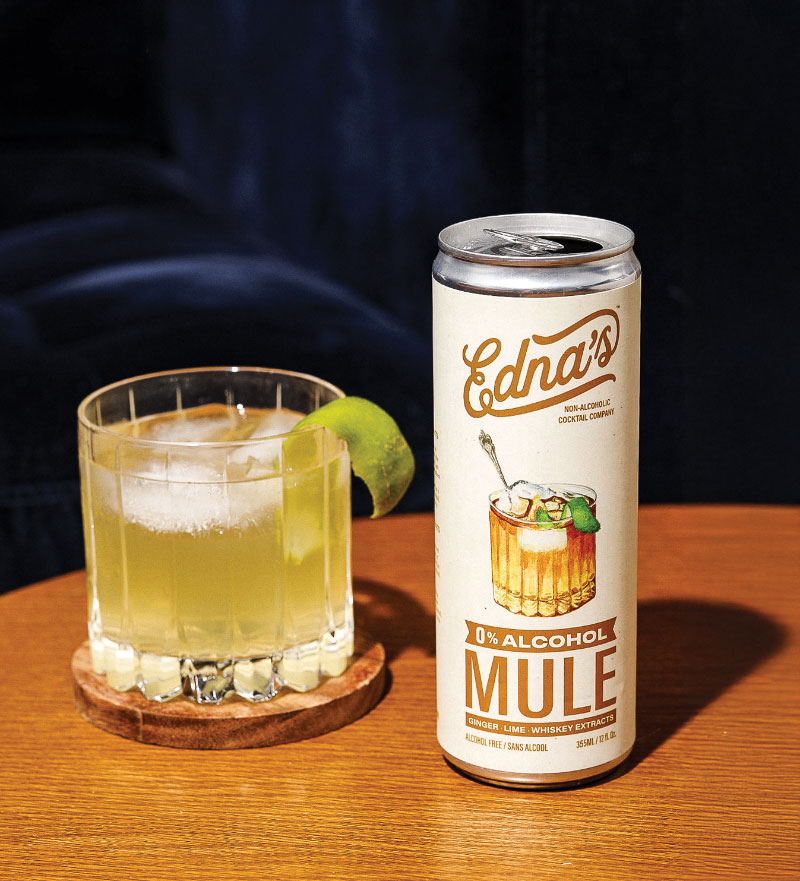
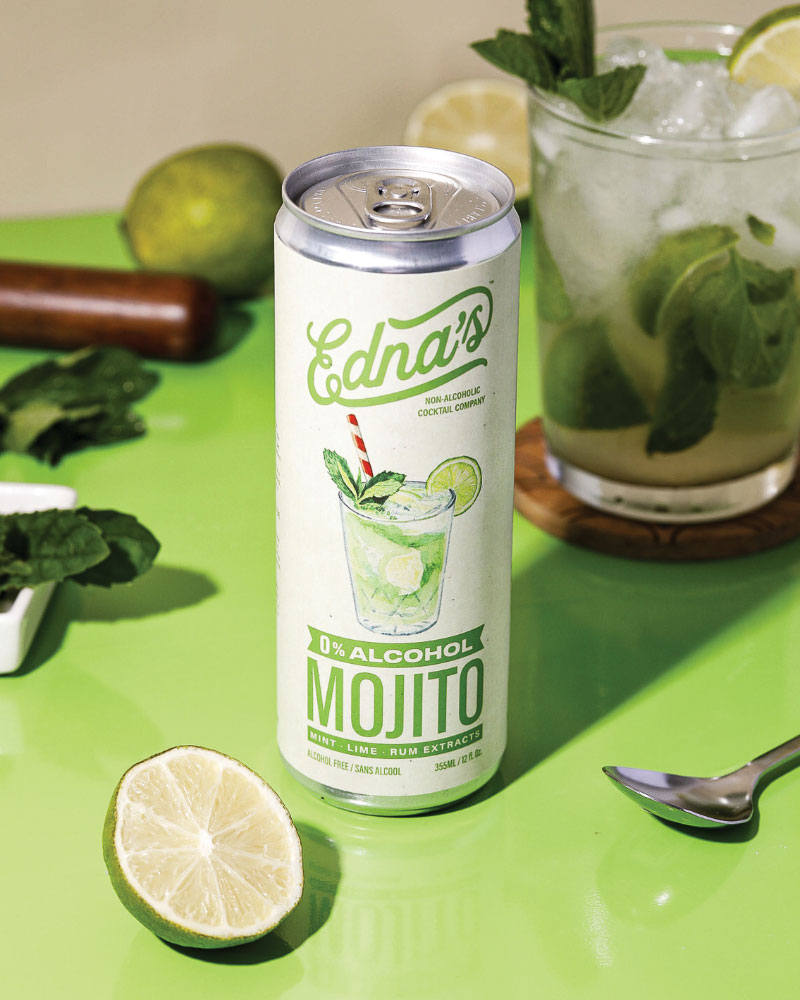
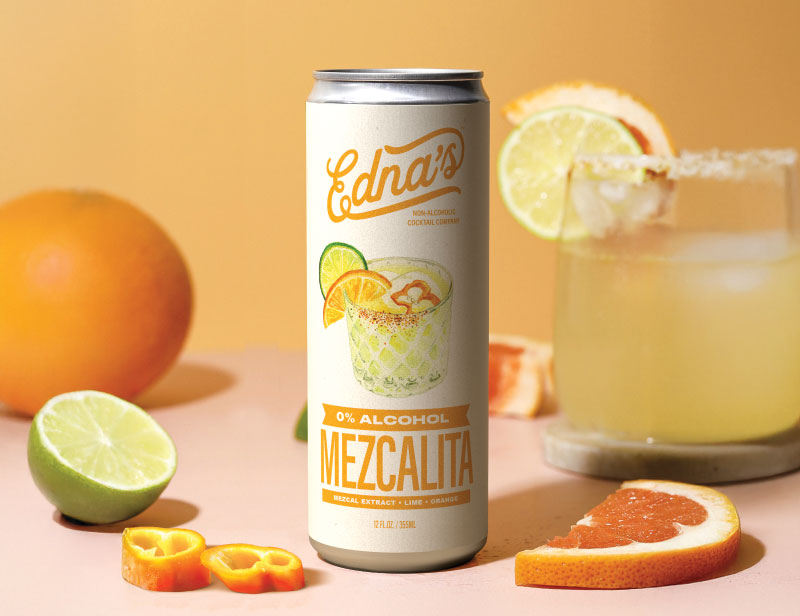
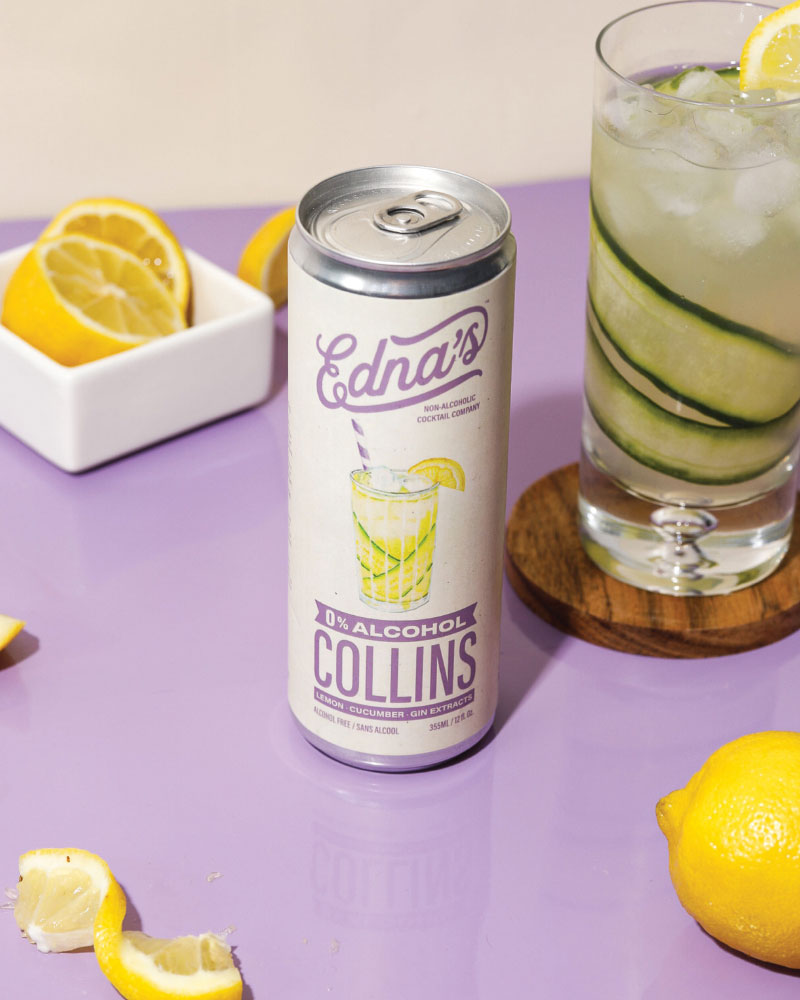
Nick Devine, the cofounder of Edna’s Non-Alcoholic Cocktail Co., has successfully merged the popularity of RTDs with the rising demand for NA beverages. His brand of NA and RTD cocktails is now sold nationally across Canada and the U.S. While the brand began locally in Vancouver, B.C., Devine says his sales revenue from the U.S. has now surpassed his Canadian sales, thanks to a partnership with Target.
Reflecting on his business’s beginnings, Devine recalls his early efforts to persuade bars and liquor stores to stock his NA cocktails in 2021. He often received confused and incredulous looks from potential buyers, who reminded him that they were in liquor establishments. Since then, the NA space has grown significantly, with more bars and restaurants now catering to NA consumers.
“There is a proper section in their menu now. You rarely saw that five years, 10 years ago, but now, all of a sudden, it is almost commonplace,” said Devine. He believes that Gen Z’s preferences for NA beverages, amplified by social media, have made not drinking mainstream. “All of a sudden it’s cool not to drink, whereas it used to be – almost twenty years ago – you were almost outcast if you said you didn’t drink,” he said.
Devine believes consumers “are coming to the realization that you can still have fun and maintain a fun lifestyle, and social lifestyle, and do it without booze. You aren’t going to have a hangover, but it’s got the body and feel of a proper cocktail, which is kind of what people want. It’s that habit. They don’t want to sit there with a sweetened sugary soda pop. They want a proper drink.”
Challenges of entering the NA and RTD categories
For those thinking of entering the low- and no-alcohol space, a major challenge is creating a beverage that mimics the taste and body of real alcohol. Edna’s Non-Alcoholic Cocktails Co. uses shrubs, concentrated syrups that contain fruit, sugar and vinegar, to mimic the bite of alcohol. They also use specially formulated extracts to add greater complexity to the flavour of their NA cocktails.
Devine’s background as a professional bartender made it easy for him to develop NA cocktail recipes. However, he found the process of adapting bar recipes into shelf-stable canned products to be a steep learning curve and had to enlist the help of a food scientist to finalize his recipes.
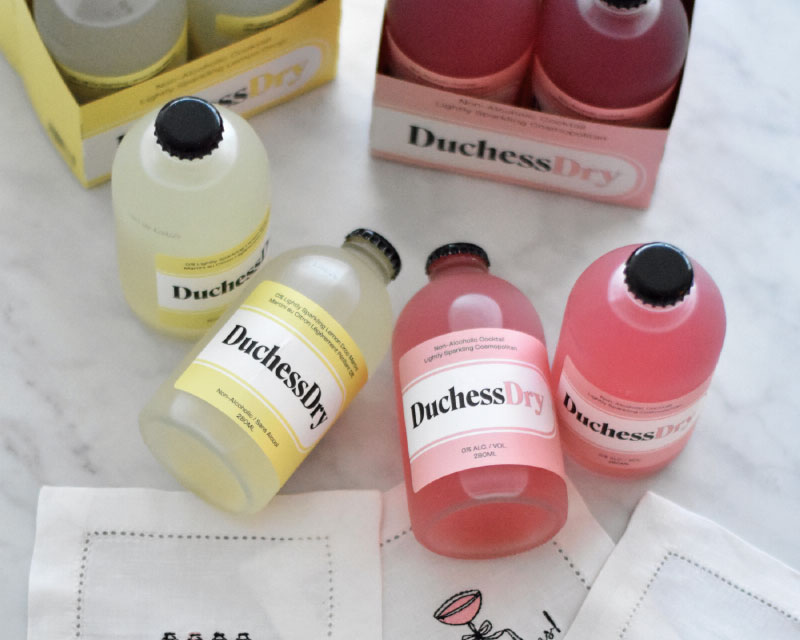
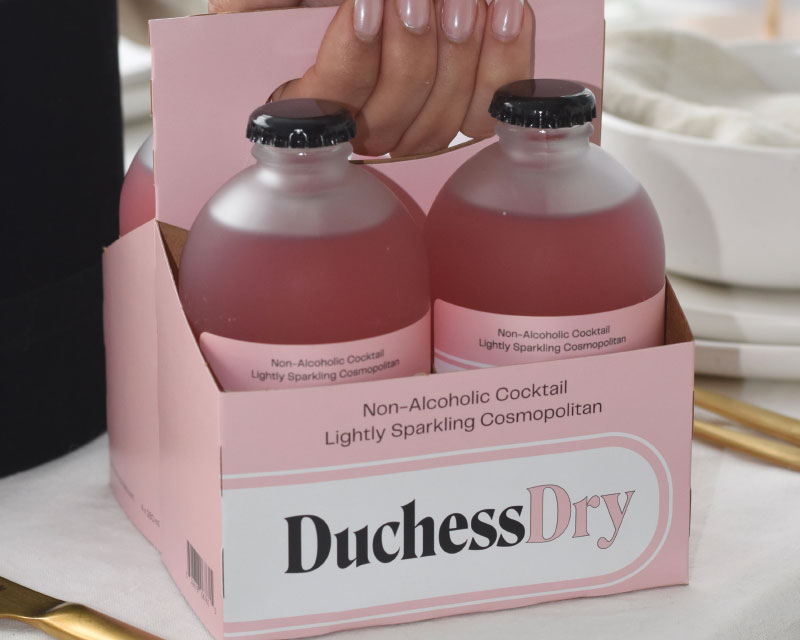
Another challenge cited by both Lovenmark-Hay and Devine was the difficulty of finding co-packers for their products. Devine eventually found a suitable co-packer in the neighbouring province of Alberta. Lovenmark-Hay’s search for a co-packer was far more difficult, as her packaging was too unique for most co-packers to handle. Although it would have been far simpler to change her packaging to meet a co-packer’s requirements, she was confident that her unique packaging would help her stand out from other RTD products on the market. This led her to establish her own production facility for Duchess Cocktails, where she now provides co-packing services for other brands as well.
Despite the challenges of developing her NA cocktails, Lovenmark-Hay says she is grateful for the growth of the NA sector. She notes that it has made her brand more accessible, enhanced brand awareness and created more sales opportunities. “We have people that start with our [NA products], then move into our alcohol and vice versa, so that part has been awesome in growing our audience,” said Lovenmark-Hay.
The future of NA beverages
In 2023, the Canadian Centre on Substance Use and Addiction released a report stating that “no amount or kind of alcohol is good for your health” and consuming more than two drinks per week significantly increases the risk of developing several different types of cancer. This news caused many Canadians to seriously re-examine their drinking habits. As Canadians have decreased their alcohol consumption, they have increasingly turned towards NA alternatives. In fact, 62 per cent of consumers stated that they selected foods and beverages with health in mind, according to a report by Ansira.
As a result, the functional food and beverage market is projected to grow by 10.33 per cent to $793.6 billion by 2032. With health and wellness now a consumer priority, a new category of NA drinks has emerged: functional beverages.
Functional beverages are often designed to target a specific wellness goal, such as improving immunity, focus, digestion, or energy. Beverages such as prebiotic and probiotic sodas, vitamin-infused water and beverages with adaptogens are growing in popularity as beverage producers tap into consumers’ desire to use food as medicine. Lovenmark-Hay also thinks that as consumers become more educated, the market will move towards a preference for higher-quality ingredients, less artificial flavouring and colours and more natural products.
Many younger generations are also shifting away from alcohol to cannabis as their go-to recreational substance. This has resulted in the rise of cannabis-infused NA drinks. These beverages offer consumers a discreet and smoke-free alternative to cannabis consumption. In fact, over one in four Americans plan to try these cannabis-infused drinks, with Gen Z and Millenials being particularly interested (Circana).
As consumer preferences continue to evolve at a rapid rate, Devine, Hansen and Lovenmark-Hay all agree that there is much more innovation to come in the NA beverage space, and that they are only just scratching the surface. While trends may come and go, Devine is confident that the NA movement marks a long-term shift in drinking culture.
“This is not going anywhere. This is here to stay, and I think anyone who doesn’t realize that is really missing what is going on out there. This is a movement,” said Devine.