Canadian weather is becoming more volatile due to climate change, making it difficult for farmers to plan planting and harvesting.
In response to these pressures, wine grape researchers are evaluating more climate-resilient varieties and developing improved forecasting systems and disease management techniques. Meanwhile, research programs on hops and malting barley remain primarily focused on breeding climate-resilient cultivars.
Wine grapes and polar vortex events
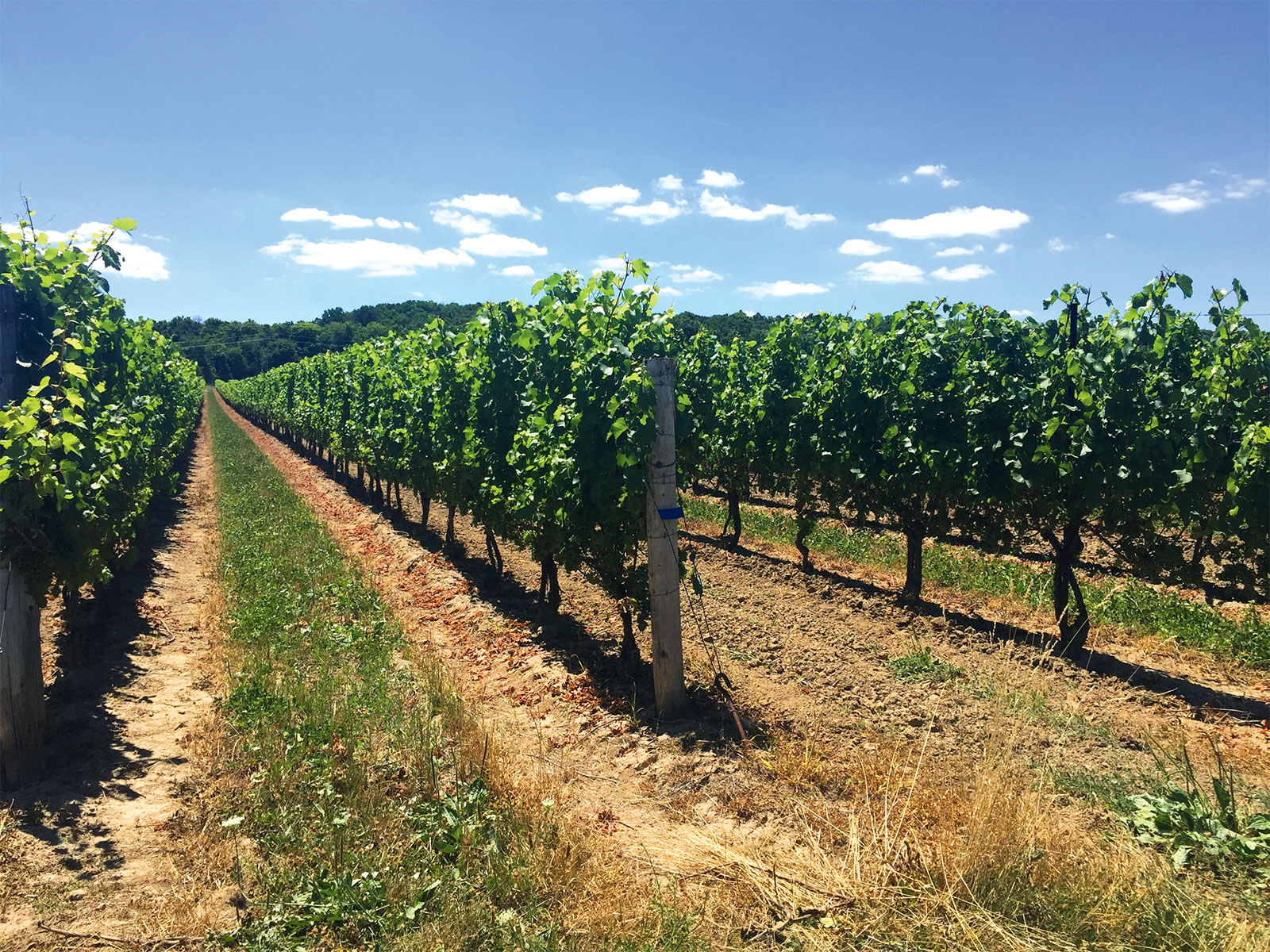
Few sectors have felt the effects of climate instability as sharply as the Canadian wine industry. There have been devastating crop losses from “polar vortex” events, which occur when a normally stable pool of cold air over the Arctic is disrupted and plunges southward.
The Okanagan Valley, which accounts for 86 per cent of British Columbia’s vineyard acreage, experienced two consecutive polar vortex events in December 2022 and January 2024. These events were crippling, with some estimates putting the total 2024 losses at 97 to 99 per cent of all grapes in the region, amounting to an economic loss of $440 to $445 million in revenue.
Across wine grapes, barley and hops, Canadian researchers and growers are confronting the same reality: climate change is reshaping every stage of crop production.
Darien Temprile, executive director of the Canadian Grapevine Certification Network (CGCN) says that they are overseeing national research projects to look into superior grape vine material with the potential to withstand Canadian climates. This involves evaluating different Vitis cultivars, as well as clone and rootstock selections, for their vine performance, fruit composition and cold hardiness.
While CGCN does not currently manage any grape breeding programs in Canada, it ensures its certified clean repository is stocked with the best grapevine propagation material to withstand Canada’s cold temperatures.
Growing uniform barley in an unpredictable climate
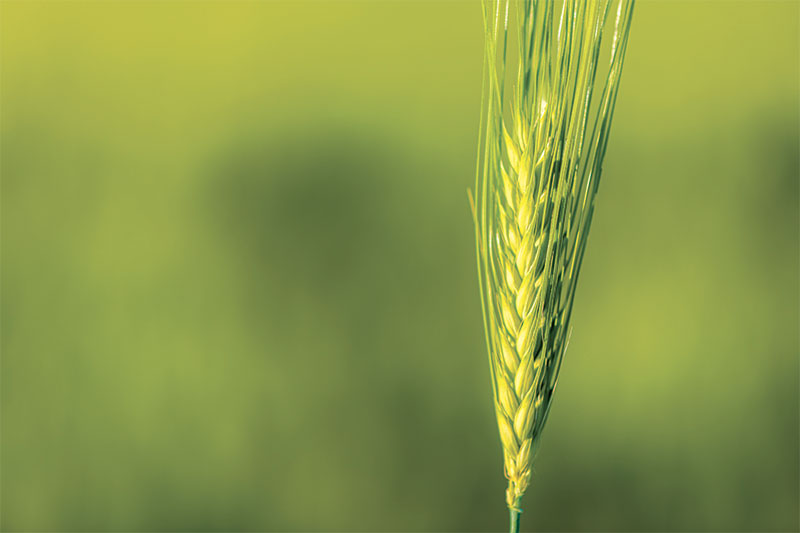
For barley farmers, the main challenge is climate volatility. The Saskatchewan Barley Development Commission (SaskBarley) has between 40 and 60 research projects going on at any given time. Mitchell Japp, the research and extension manager at SaskBarley, notes that while weather variability has always existed, growers have been dealing with extremely hot, then dry, seasons. This year, farmers were still dealing with spring runoff in mid-May, leaving fields too wet for planting.
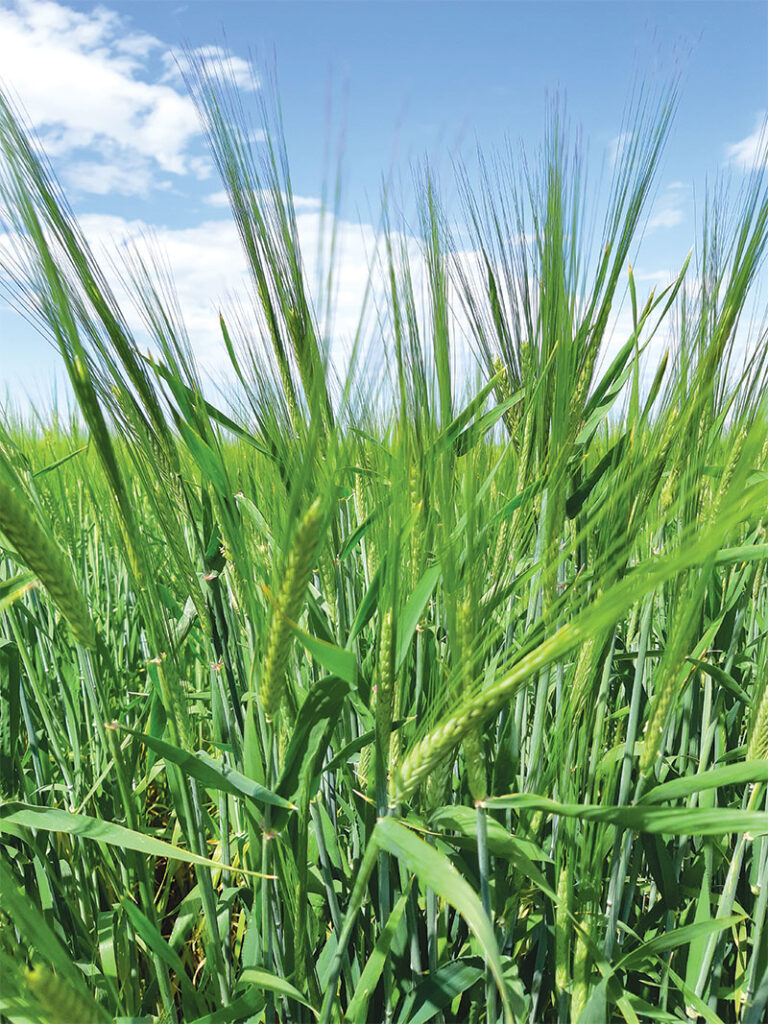
When breeding barley for climate resilience, SaskBarley funds testing sites for different varieties “across a network of sites that range from southern Manitoba, where it’s warm and wet, to southern Saskatchewan, southern Alberta, where it’s hot and dry, and up into northern Saskatchewan, northern Alberta, where it’s cool and wet. Generally, the varieties that get selected are the ones that perform and are stable across all those environments,” said Japp.
“If they can be stable across all those environments, we think they have good stability against whatever climate change might throw at us in the short term, and that’s all we can manage for. We can’t manage for what’s going to happen 50 years from now.”
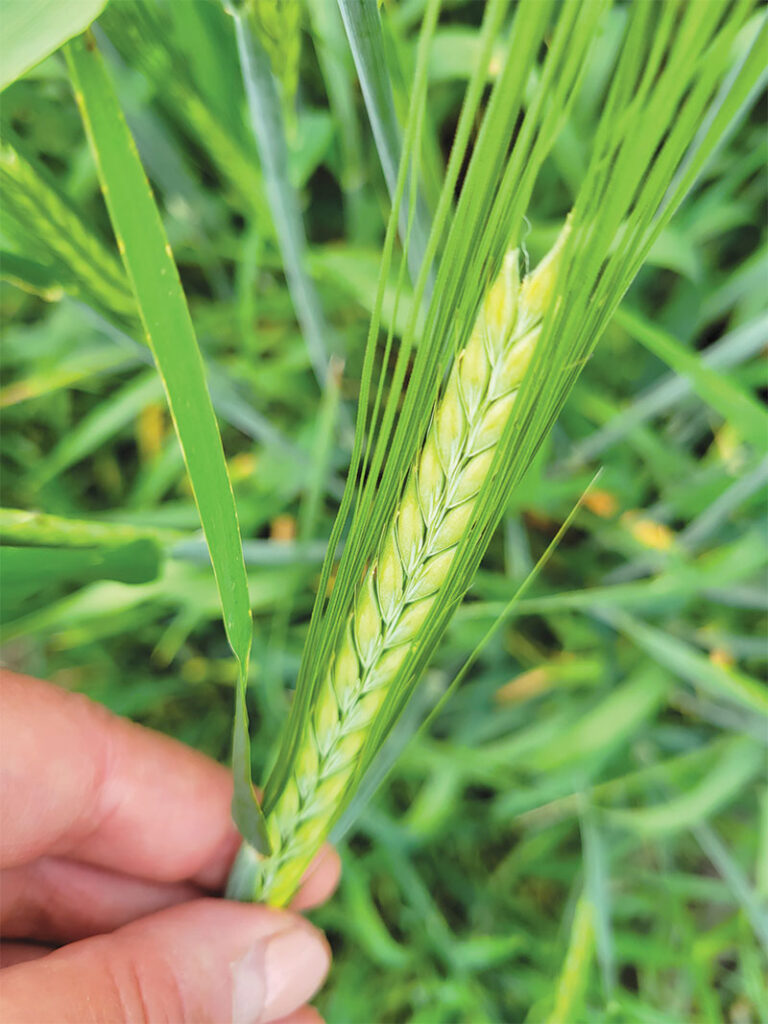
Japp notes that most of SaskBarley’s investment goes into breeding new barley varieties with improved yield potential and agronomic characteristics, such as increased resistance to disease and lodging. Lodging occurs when the barley falls over from its vertical position, typically due to strong winds, heavy rain or overgrowth. It makes harvest recovery more challenging.
“We’re using a plant growth regulator to help the crop not grow so tall and have stronger stems. We’re trying to find the conditions where that’s most helpful because it’s not efficient for growers to grow their crops and then have them be difficult to harvest or lose quality because they’re lying on the ground,” said Japp. Ideally, all crops will be at the same stage at harvest, so researchers are exploring different fertility management methods to determine whether they can manipulate the development of late barley heads.
Heat waves and the future of hops
Canada’s craft beer industry exploded from approximately 400 breweries in 2010 to over 1,200 in 2025, according to data from IBISWorld, which spurred growth of the hops sector. However, only relatively small regions have suitable environmental conditions for growing high-quality aroma hops, and there is a serious risk that heat waves and droughts will stunt plant growth, shorten crop development cycles and reduce acid levels.
A research article published by Nature Communications in 2023 found that hop production in European regions is projected to decline by four to 18 per cent, while alpha content is projected to decline by 20 to 31 per cent. Hop farmers have responded by relocating hop gardens to higher elevations, changing the orientation and spacing of crop rows and breeding more resistant varieties.
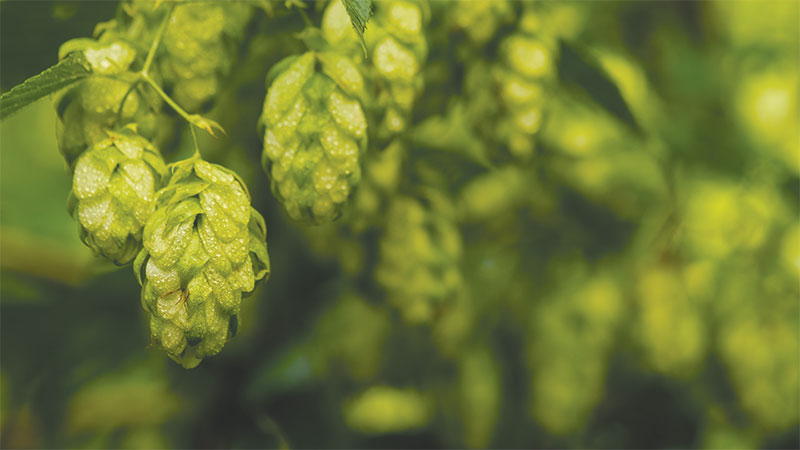
At Kwantlen Polytechnic University in B.C., the NextGen Hops team says that current hop varieties grown in the province were bred and trialed in U.S. or Germany and are not adapted to grow in the B.C. climate. This is why the team is working to develop new, unique hop varieties that are proprietary to the province. At NextGen Hops, they are crossing locally adapted male hop plants with existing commercial varieties. They have also been able to transfer heat and drought-tolerant traits to their varieties by using wild hop plants collected from extreme growing environments throughout North America.
The breeding project began in 2018 and is unique in that it uses genomics to identify and mark desirable traits, then tracks those markers through successive DNA tests. Instead of waiting for a full growing season, a small leaf sample can be used to immediately identify the presence of a trait, freeing up field space and other resources.
Excessive rainfall and the rise of crop diseases
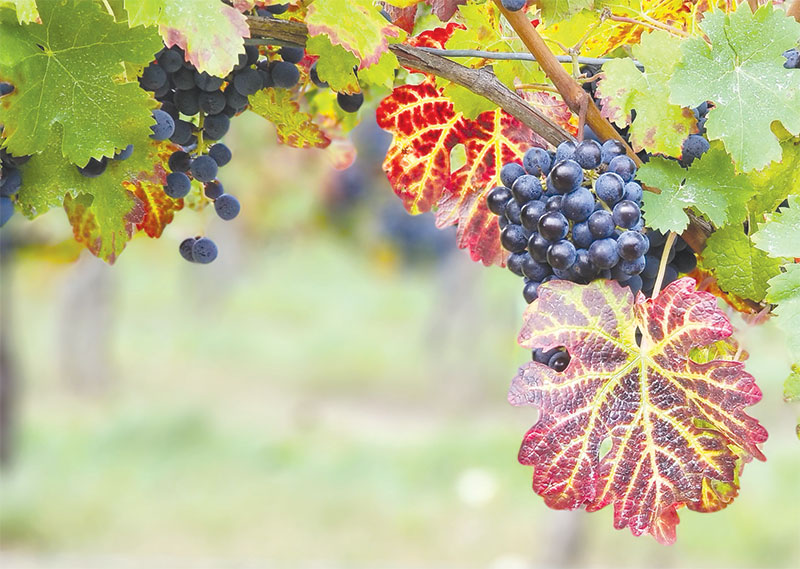
Excessive rainfall leads to a higher incidence of diseases such as powdery mildew, downy mildew and grey mould in grape vines. Viral diseases such as grape vine red blotch and leafroll are also becoming more common. Temprile says that vine infection can reduce winter hardiness by up to four degrees Celsius in some varieties. “This presents a huge gap for potential vine injury or death with Canada’s volatile temperature fluctuations,” she said.
Infected vines require more money and resources to manage, making it more difficult for wine growers to turn a profit. Ultimately, the best long-term vineyard management decision is to remove the infected vines and replace them with certified clean vines. CGCN maintains a clean vine repository that includes samples of healthy, virus-tested grape vine material. This repository is vital in protecting the global viticulture economy as it ensures that Canadian vineyards always have access to healthy vines.
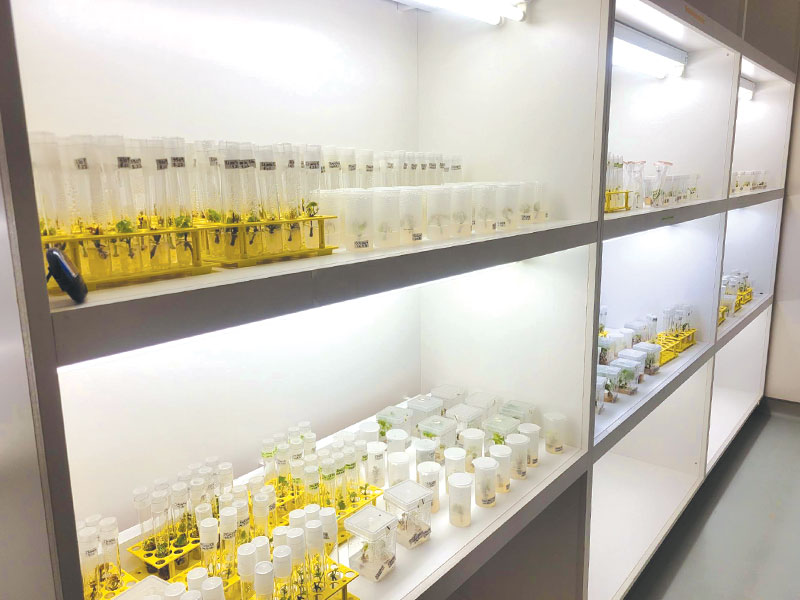
Harrison Wright, PhD, an academic researcher from Agriculture and Agri-Food Canada, says climate adaptation pressures and consumer preference for fewer pesticides will push the wine industry to be more accepting of hybrid grapes (hybrids are crossings between two or more grape species).
In Canada, these crossings are usually between the European Vitis vinifera and hardy North American vines. They are naturally more resistant to diseases and pests, and can survive long-lasting cold temperatures. “Quebec would not have any wine grape industry if it wasn’t for the fact that [they] had hybrids,” said Wright.
Forest fires and smoke-tainted wine
In 2023, Canada experienced an extraordinarily destructive wildfire season. Fires consumed 16.5 million hectares – nearly seven times the historical average, according to Natural Resources Canada. Drier, hotter summers put more stress on grapes, while increased forest fires make wine grapes more susceptible to developing smoke taint.
Smoke taint occurs when grapes absorb pungent airborne compounds called volatile phenols from wildfire smoke. Once absorbed into the ripening grape tissue, these compounds bind to one or more carbohydrates found within ripening grapes. These carbohydrate-bound volatile phenols, in contrast with their smelly “free” forms, are odourless. However, when yeast is added during fermentation, it may break down the carbohydrate chain, unmasking the original smoky molecules.
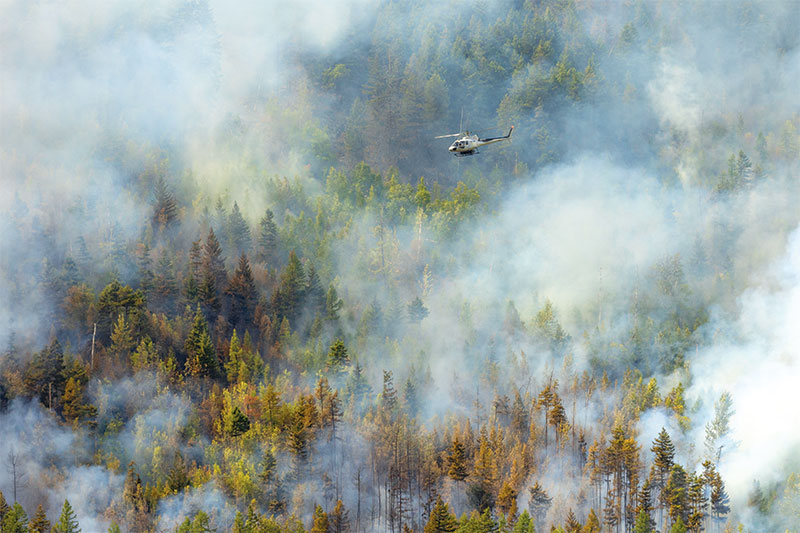
Wesley Zandberg, PhD, professor at the University of British Columbia, focuses his research on better understanding the mechanisms by which smoke molecules are absorbed into the grape and how the addition of yeast unmasks these smoky aroma compounds. Zandberg stresses that smoke exposure does not necessarily mean smoke taint. “To know you have a tainted wine, it’s still a subjective thing … an oaked wine will have the same markers as a smoky wine, just at different concentrations and different ratios,” he said.
In proper concentrations, the wine would be said to have “peppery” or “oaky” notes, which are desirable, versus being smoke-tainted, where the same smoky aromas are present at too high a concentration. Currently, most wineries send samples of their wine grapes for smoke taint testing. If the concentrations of volatile phenols are too high, they can apply for crop protection insurance. In this case, they would have to destroy their crop to collect insurance for the smoke-damaged crop.
However, there is ongoing research into using sprays to create a barrier between grapes and smoke. “I’ve tested some products. In one year, it works really well, and in the other year, it doesn’t work at all. So, you know, these aren’t easy experiments,” said Zandberg.
The challenge of breeding climate-resilient barley varieties
Gina Feist, executive director of the Brewing and Malting Barley Research Institute (BMBRI), is particularly concerned about the erosion of public funding for barley breeding programs. “To breed a new variety really takes eight to 10 years, and so the dollars that are going in at this time will be funding those varieties coming out in the next decade,” said Feist.
Since climate‑impact research requires many years of data to yield meaningful insights for farmers and maltsters, long‑term investment is essential. “Farmers have a choice of growing several different crops, and they need to be profitable. We need to continue to invest in [barley] research so that it remains a profitable cropping option,” she said. Japp is quick to praise farmers for their quick adoption of new technologies such as “zero tillage,” which prevents soil erosion, and “variable rate applications,” which optimize the use of fertilizers, herbicides and fungicides in each area of the field.
Japp says the biggest barrier to adopting these climate-resilient varieties is the slow uptake by maltsters and brewers. He believes that outreach by organizations such as the Canadian Malting Barley Technical Centre is central to raising awareness of new barley varieties and driving industry demand. Across wine grapes, barley and hops, Canadian researchers and growers are confronting the same reality: climate change is reshaping every stage of crop production.
While each industry faces distinct challenges, all are racing to develop climate-resilient varieties, technologies and management strategies needed to sustain Canada’s alcoholic beverage industry.