

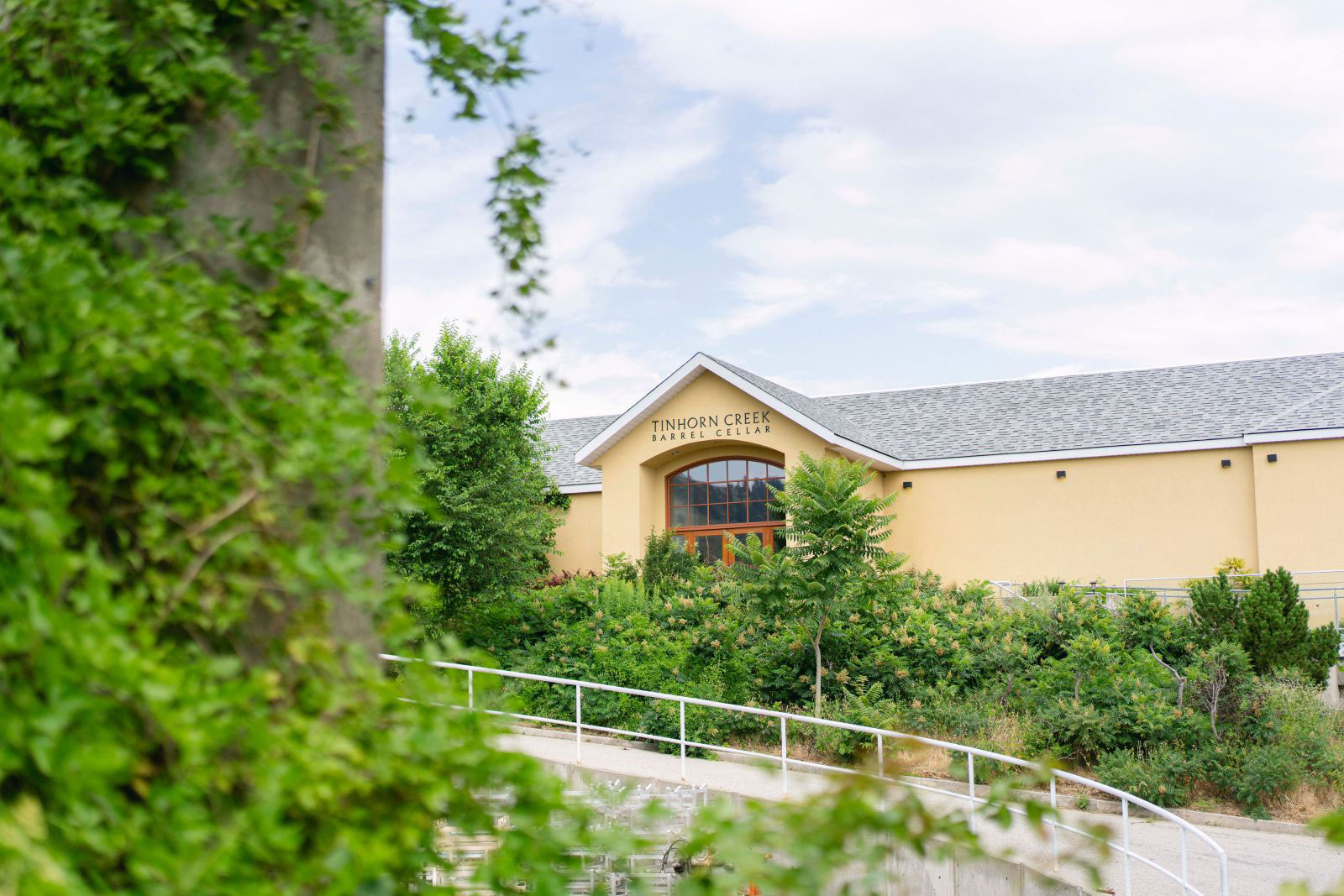
As vineyards across the South Okanagan wrap up harvest, Tinhorn Creek Vineyards is marking another milestone in its sustainability journey.
Tinhorn Creek has achieved Carbonhound GHG Protocol Standard Certification for Scopes 1 and 2 for the 2025 reporting year, and has purchased carbon offsets to achieve carbon-neutral status for its operations. The certification comes nearly 20 years after Tinhorn Creek first became a carbon-neutral winery, reflecting a longstanding commitment to environmental responsibility. Today, that commitment continues to shape decision-making across the winery’s vineyards, production facilities, hospitality operations and estate management practices.
Working with Carbonhound, a Canadian carbon accounting and climate management platform, Tinhorn Creek completed a comprehensive greenhouse gas inventory for 2025. The assessment quantified emissions associated with its operations and selected elements of its value chain, while validating its Scope 1 and 2 emissions inventory against the Greenhouse Gas Protocol. The process brought together team members from winemaking, operations, sales, marketing and estate operations, reflecting a collaborative approach to understanding, measuring and improving environmental performance across the business.
The assessment measured direct emissions from natural gas and mobile combustion, as well as emissions from purchased electricity. Tinhorn Creek also expanded its reporting by measuring selected Scope 3 emissions, including downstream transportation and distribution, employee commuting, land management activities and operational waste. The winery also tracked water consumption to provide additional insight into its overall environmental footprint.
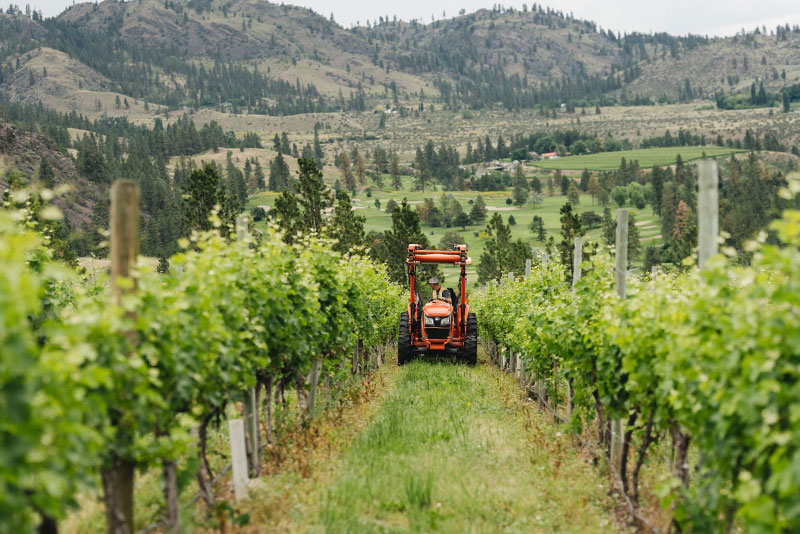
“Nearly 20 years ago, Tinhorn Creek set out to demonstrate that environmental responsibility and premium wine growing could go hand in hand,” said Jesse Collins, estate manager, Tinhorn Creek Vineyards. “This certification reflects the dedication of teams across our business and reinforces our commitment to continuously measuring, learning and improving. Sustainability is not a single initiative or achievement. It’s an ongoing responsibility to the land, our community and future generations of wine growers.”
Beyond carbon accounting, Tinhorn Creek’s environmental commitment is reflected throughout its operations. The winery is a certified member winery of Sustainable Winegrowing BC, embracing farming practices that recognize vineyards as part of a larger ecosystem. The winery also maintains a longstanding partnership with The Land Conservancy, supporting initiatives that protect sensitive habitats, encourage biodiversity and help restore natural species where populations have declined.
Sustainability initiatives continue to evolve across the estate. In recent years, Tinhorn Creek has eliminated plastic wine club membership cards, reduced packaging by shipping full-case orders in their original cartons rather than repackaging them and shifted much of its retail accessory program toward locally made products. The winery is also introducing more native drought-tolerant desert plants across the property to reduce water demand, installing motion-sensor lighting controls to reduce unnecessary energy consumption and maintaining beehives on the estate to encourage natural pollination and support local biodiversity.
To achieve carbon neutrality for its Scope 1 and Scope 2 emissions for the 2025 reporting year, Tinhorn Creek purchased and retired carbon offsets supporting two projects: the Great Bear Rainforest project in B.C. and an Efficient and Clean Cooking project serving households in Somalia. Together, these projects help reduce global greenhouse gas emissions while generating environmental and community benefits.
“Working with Tinhorn Creek on their first emissions inventory has been a great opportunity to support their ongoing commitment to environmental stewardship,” said Sanders Lazier, CEO, Carbonhound. “Tinhorn Creek has quantified the emissions associated with its own operations, as well as selected emissions across its value chain, helping to build a more complete understanding of its overall environmental impact. We’re proud to support Tinhorn Creek as they continue to take ambitious steps to measure, manage and reduce their emissions.”
For Tinhorn Creek, the certification represents an important milestone, not a finish line. By measuring emissions, identifying opportunities for improvement and engaging teams across the business, the winery continues to build on the environmental commitment it first formalized nearly two decades ago.
As harvest wraps up on the Golden Mile Bench, the achievement also serves as a reminder of the close relationship between wine growing and the environment. Healthy vineyards depend on healthy ecosystems, and caring for the land today helps ensure it can continue producing exceptional wines for generations to come.


