This article was provided by the organization identified below and has not been produced by Poured Canada’s editorial team.
For generations, brewers accepted hop loss as part of the process. Massive whirlpool additions and aggressive dry hopping delivered exceptional aroma but also increased trub, reduced finished beer yield and increased wort absorption.
The cost was considered unavoidable – the price of making great IPA. Today, that assumption is being challenged.
As ingredient costs rise and brewery margins tighten, many operations are beginning to evaluate hops not only by sensory contribution but also by operational efficiency. The question has shifted from “How much hop character can we create?” to “How much hop character can we create without sacrificing beer?”
Advanced hop products are providing new answers
Unlike traditional pellet additions, concentrated aroma extracts isolate the compounds brewers actually want – the essential oils and flavour-active components – while eliminating much of the vegetative material responsible for absorption losses. The implications extend well beyond ingredient savings.
Every barrel retained through reduced trub translates directly into additional sellable beer. Across hundreds of batches per year, relatively small improvements in yield can produce meaningful financial returns without requiring additional fermentation capacity or capital investment.
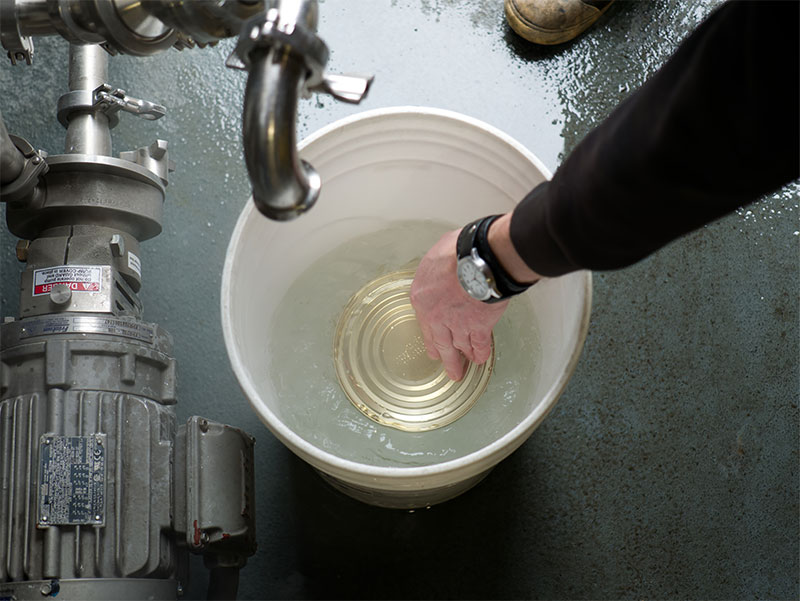
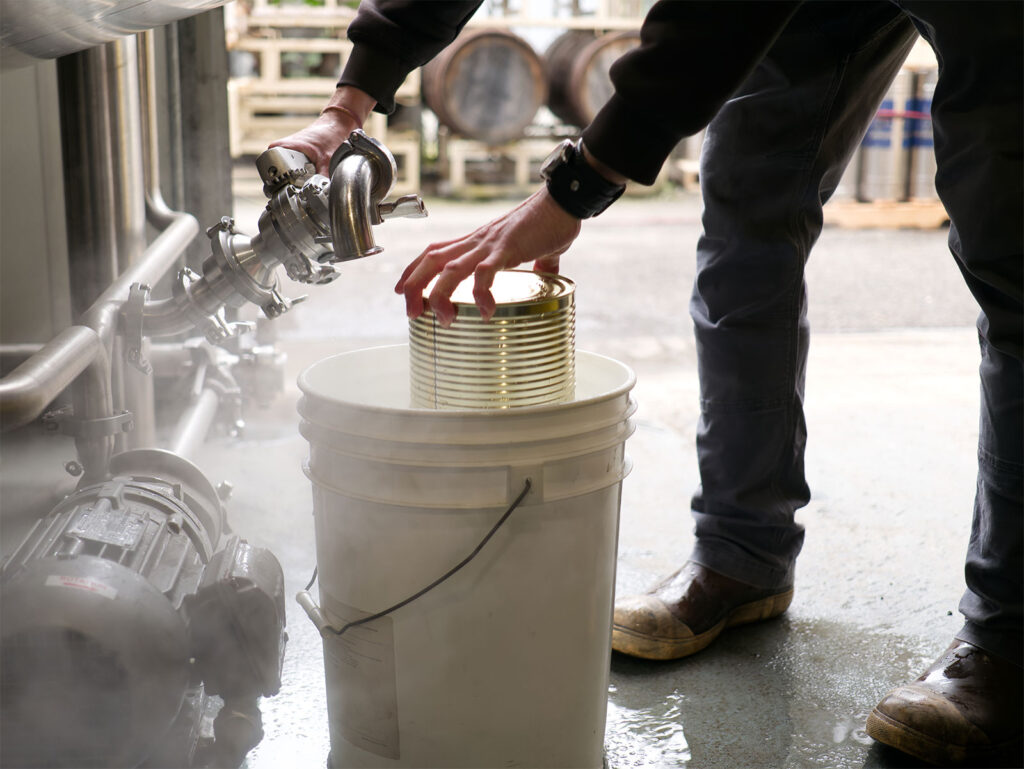
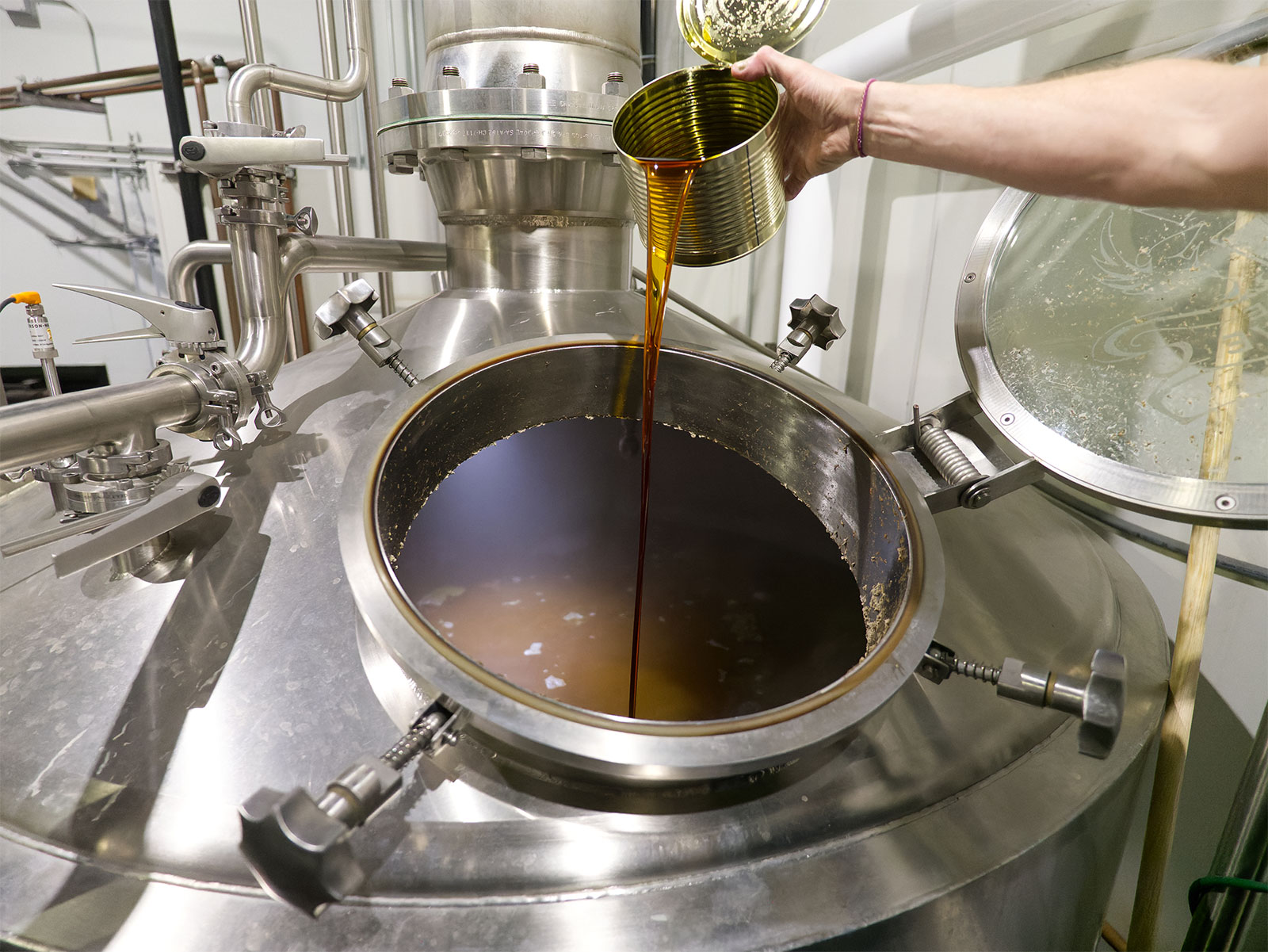
Products such as Salvo™ exemplify this shift toward efficiency. Produced from 100 per cent hops through carbon dioxide extraction, the product delivers variety-specific aroma while removing the alpha acid fraction and excess plant material. Brewers gain expressive hop character without introducing unwanted bitterness or unnecessary solids into the process.
Perhaps most importantly, these technologies are changing how breweries think about recipe design. Rather than replacing hops altogether, advanced hop products allow brewers to strategically supplement traditional additions where they provide the greatest benefit. Whirlpool applications, in particular, become opportunities to maximize aroma while minimizing losses.
The movement reflects a broader evolution occurring throughout the brewing industry. Modern breweries increasingly evaluate ingredients through multiple lenses: sensory impact, sustainability, operational efficiency and profitability. The best innovations are those that improve all four simultaneously. Purists may debate whether extracts belong in brewing, but history suggests innovation has always defined the industry.
Ultimately, consumers judge beer by what’s in the glass, not by how much wort was left behind in the whirlpool. For breweries navigating today’s economic realities, the next competitive advantage may not come from using more hops. It may come from using hops more intelligently.