Over the last decade, the Canadian craft beverage industry experienced a renaissance. Breweries, cideries and specialty beverage producers multiplied across the country, each competing for market share, shelf space and consumer attention.
However, despite the differences in strategy and product, they all share a similar question: who holds the kegs? For years, the answer was either buy kegs – tying up capital in depreciating steel – or rent them from a standalone lessor, one contract at a time. North Keg, an Ontario company founded in 2017, offered a better solution. And in April 2026, that solution got significantly bigger.
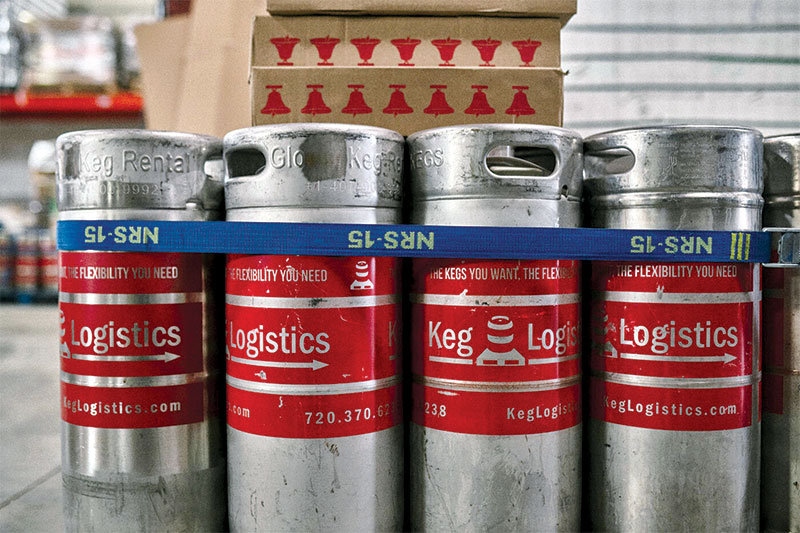
North Keg joined Evaaro’s international keg-pooling platform alongside ekeg (U.K. and Ireland) and Keg Logistics (U.S.), creating a unified multi-country network spanning five markets and nearly 3,000 brewers worldwide. For Canadian brewers, the practical effect is simple to describe but hard to replicate: the keg you need is now part of a system, not a contract or a standalone asset.
The origin: two friends, one problem
North Keg was founded in 2017 by two recent college graduates who regularly frequented a beloved craft beer bar in Halifax, N.S., and shared a fascination for the world of craft beer. After exploring the idea of starting their own brewery, they ran into the same wall that stops many first-time producers before they pour a single pint: steel.
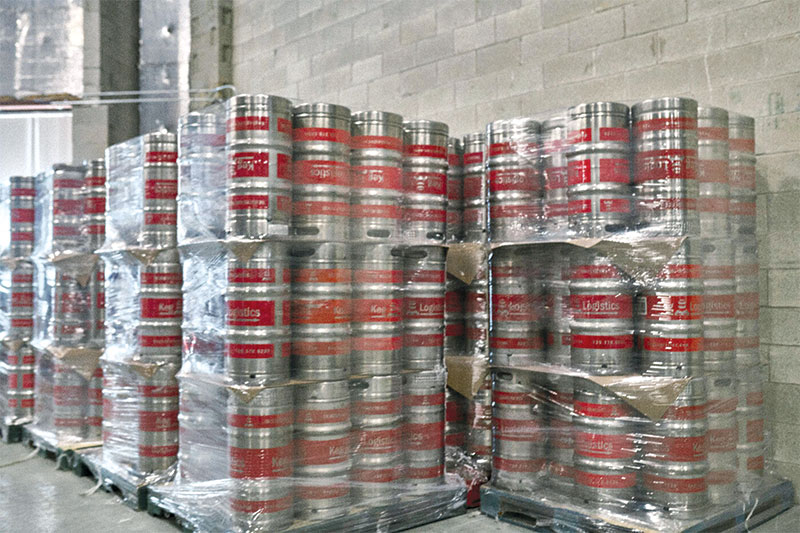
Traditionally, brewers purchase a fleet of kegs. But owning kegs is both expensive and risky. Industry data shows that craft brewers typically lose five to 10 per cent of their float each year to theft, misplacement, account closures and other supply chain issues. For some brewers, that can add up to tens of thousands of dollars annually in lost assets that need to be replaced to maintain and grow the business.
“Because kegs are considered revolving assets, constantly moving through the distribution loop, they’re seen as risky. We figured there had to be a better way for brewers to do business,” said North Keg CEO Matt Wowchuk. “Looking at how keg management was being done in the U.S., we approached a few local brewers to see if they would lease some kegs from us, and we received a unanimous ‘YES’ in response. Within six months, we did our first deal, and it’s been steady growth ever since.”
Why pooling beats ownership
The distinction between leasing and pooling isn’t a technicality. Similar to ownership, in a leasing model, a specific keg is matched to a specific customer on a specific contract. The brewer is responsible for tracking the keg and collecting it back from the market. When demand shifts, the brewer has limited options. If demand shifts up, they can lease more kegs, often triggering a new contract. If demand shifts downward, they often have to sit on empty kegs until the contract ends and they can return them.
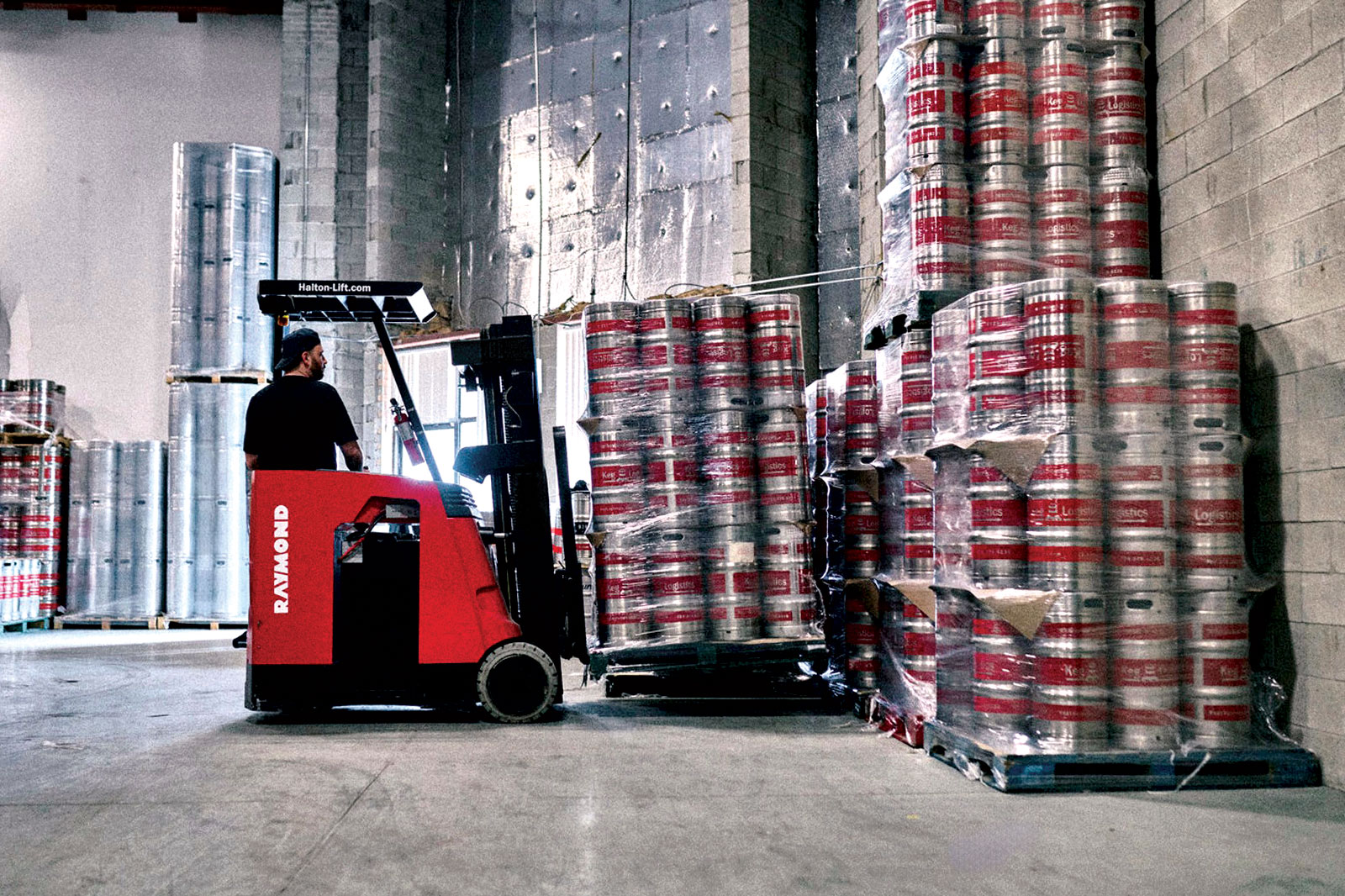
Pooling works differently. The brewer orders the amount they need from a shared pool of kegs. They don’t have to worry about tracking or collecting it back from the market. When demand shifts up or down, pooling is flexible. The brewer simply orders what they need. “Our pooling model works because we already have strong keg density in each market. We can pull kegs out of distributors much faster and immediately reposition them to a nearby brewery that needs them,” said Wowchuk.
Distributors benefit from pooling as well, and Canada’s geography makes this difference especially meaningful. A keg shipped from Toronto to northern Ontario is a 12-hour trip. A national shipment takes longer still. Under a traditional ownership model, empties sit at distribution centres until there are enough to justify a truck back to the brewery, leaving idle inventory that takes up space and generates no revenue, while freight costs continue to rise.
In North Keg’s pooling model, when an empty keg is collected from the market back to a distributor in Toronto, it doesn’t wait to accumulate into a full truck before heading home to a single brewery. The keg goes back into the pool, available to whichever brewer in the network needs it next. “Our pooling program eliminates those burdens,” said Wowchuk. “Rather than a keg being shipped out full and then making a long trip back empty, it stays in circulation.”
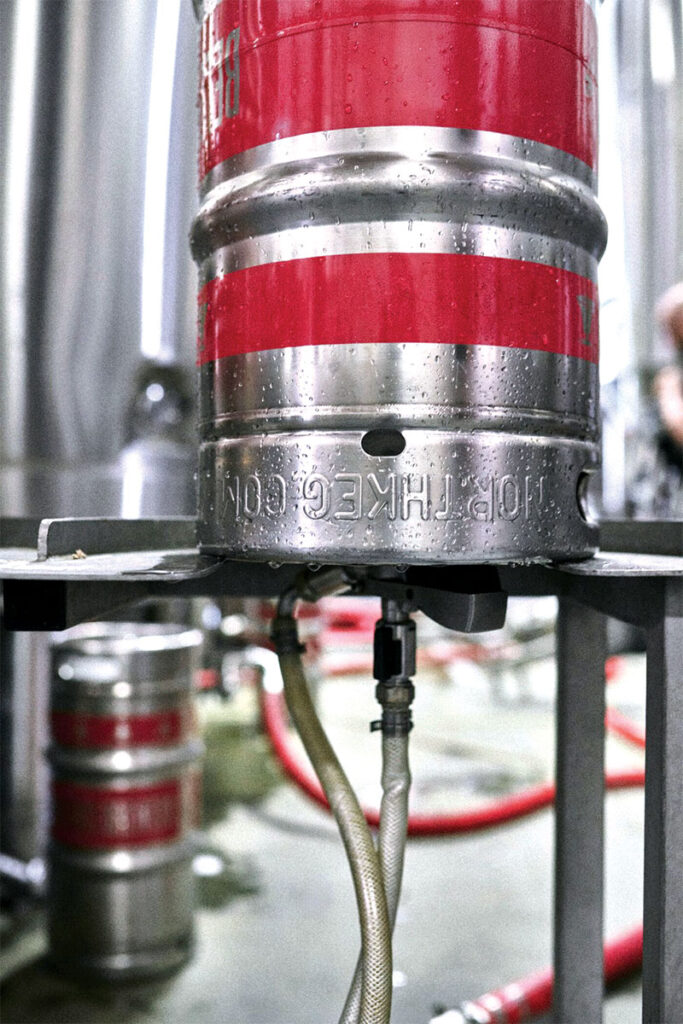
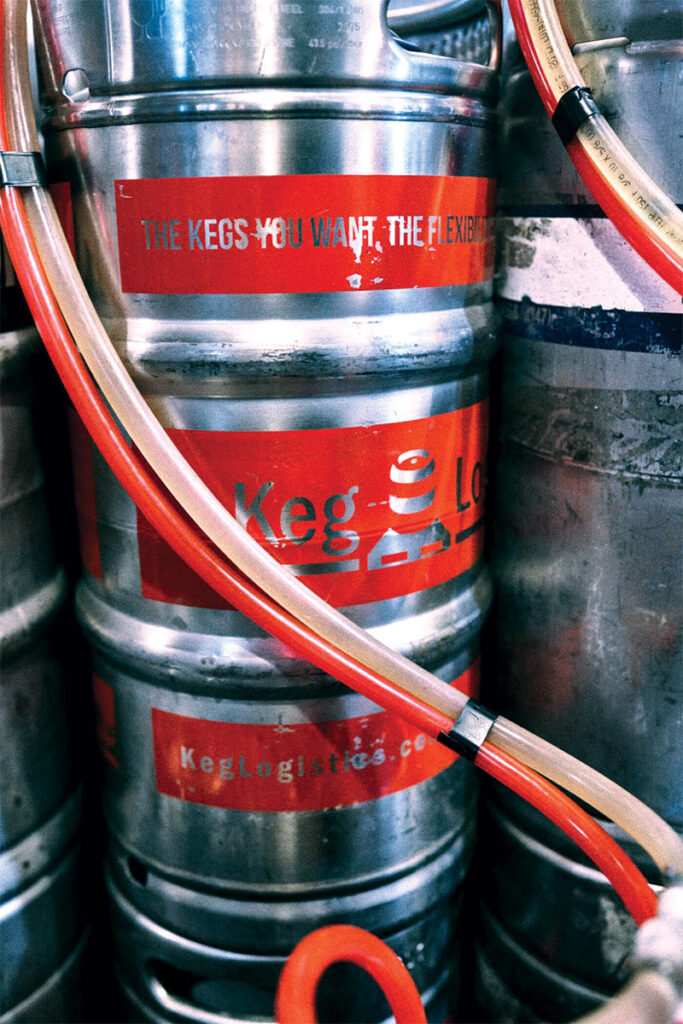
Size flexibility is another key part of North Keg’s adaptive pooling operation. Breweries that started on 50-litre kegs and now need 20-litre or 30-litre kegs can swap formats without writing off a capital purchase. The pool holds multiple formats; the brewer draws what the season requires.
“You might start with mostly 50-litre kegs, then realize you need 20- or 30-litre formats,” said Korey Nyp, director of sales at North Keg. “If you buy your kegs outright, you’re locked into those sizes. But with North Keg’s pooling model, you can return the 50s and switch to the sizes you need, when you need them.”
The network advantage: What joining Evaaro changes
A pooling network becomes more valuable as it grows. More kegs in more locations means faster fulfilment, more redundancy and the ability to absorb shocks that a bilateral leasing arrangement simply cannot handle.
“Joining this global platform allows us to further solidify North Keg as the benchmark leasing and pooling option for all Canadian customers,” said Wowchuk. “With enhanced access to growth capital, we are doubling down on our commitment to the Canadian market, offering world-class resources combined with the dedicated local expertise our customers trust.”
We know the business of kegs inside and out, which allows our customers to focus on what they do best: brewing their beer.
Korey Nyp, North Keg
The pooling’s practical implications are immediately apparent. Because North Keg’s keg pool has density across multiple Canadian markets, it can retrieve empties from distributors much faster than a brewer managing its own fleet could. That faster turn translates directly into fewer kegs needed to cover the same production volume, with lower costs and less capital at risk.
“We know the business of kegs inside and out, which allows our customers to focus on what they do best: brewing their beer,” said Nyp. “Our pooling model provides a much deeper and more collaborative relationship with our brewers. We succeed only when our customers do as well.”
What the brewer is actually buying
The financial side of pooling might be the biggest benefit: no capital tied up in steel, no idle fleet sitting on a balance sheet through the quiet months and costs that flex with demand rather than running ahead of it. “Cash is king in any business, and there are many other productive uses for cash rather than buying and storing steel kegs,” said Wowchuk.
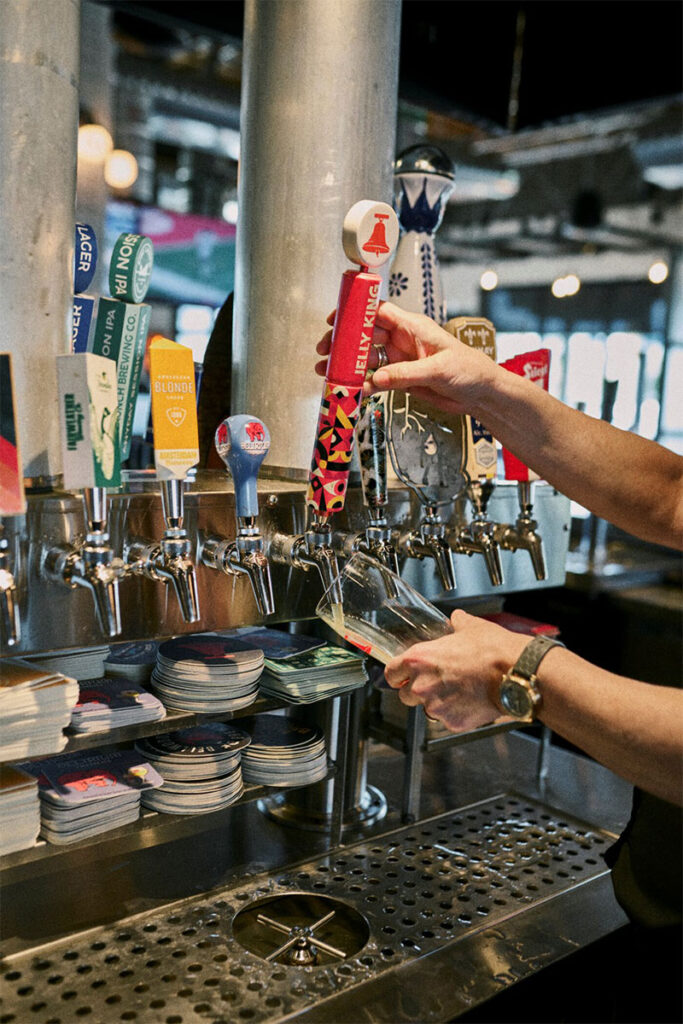
made possible by a keg that never stops moving
Moreover, what brewers are buying is not a keg at all. It’s the certainty of supply – the assurance that the right format will be available when the season demands it, without a renegotiation, without waiting for a truckload of empties to justify a return run, and without the logistics headaches that have historically consumed so much of a small brewery’s operating bandwidth. For smaller craft producers, access to a professionally managed fleet removes the most capital-intensive barrier to entering the draught channel. For larger breweries, it turns a logistics burden into a managed service – one that scales up for peak season and down again without a single renegotiation.
Rooted in the Canadian brewing community
North Keg’s growth has always been tied to its involvement in the industry it serves. The company is a proud sponsor of the Canadian Craft Brewers Association’s Canada Beer Cup, a national competition celebrating independently owned and operated breweries across the country. North Keg’s Québec and Eastern Canada sales representative served as the emcee for the Canada Beer Cup Awards Gala in 2025 and is proudly returning in 2026.
The team also maintains active relationships with local guilds and provincial craft brewer associations, attends trade shows and participates in the Master Brewers Association of the Americas (Canada chapter). “Beyond that, I’m regularly in touch with various trade boards and industry groups to understand how we can continue improving the landscape for brewers,” said Wowchuk.
Looking ahead
North Keg is in the middle of a strategic rebrand, which will be reflected in the coming months. The rebrand positions the company around four core pillars: keg servicing, tracking, leasing and pooling.
“If you look at our long-term vision, we’re not trying to be a five-year company; we’re aiming to be a 50-year company,” said Wowchuk. “This rebrand is designed to clearly show what we do best: our ability to fully service a keg from top to bottom, track it throughout its lifecycle, lease it to producers and integrate it into a broader pooling network. That’s how we will continue to ease the burden for our customers for years to come.”
For Canadian brewers navigating a competitive market, a tight labour environment and the persistent capital demands of a steel-intensive supply chain, the question is less about pooling and more about who to pool with. North Keg’s answer – now backed by an international platform and the density that comes with it – is increasingly hard to ignore.